
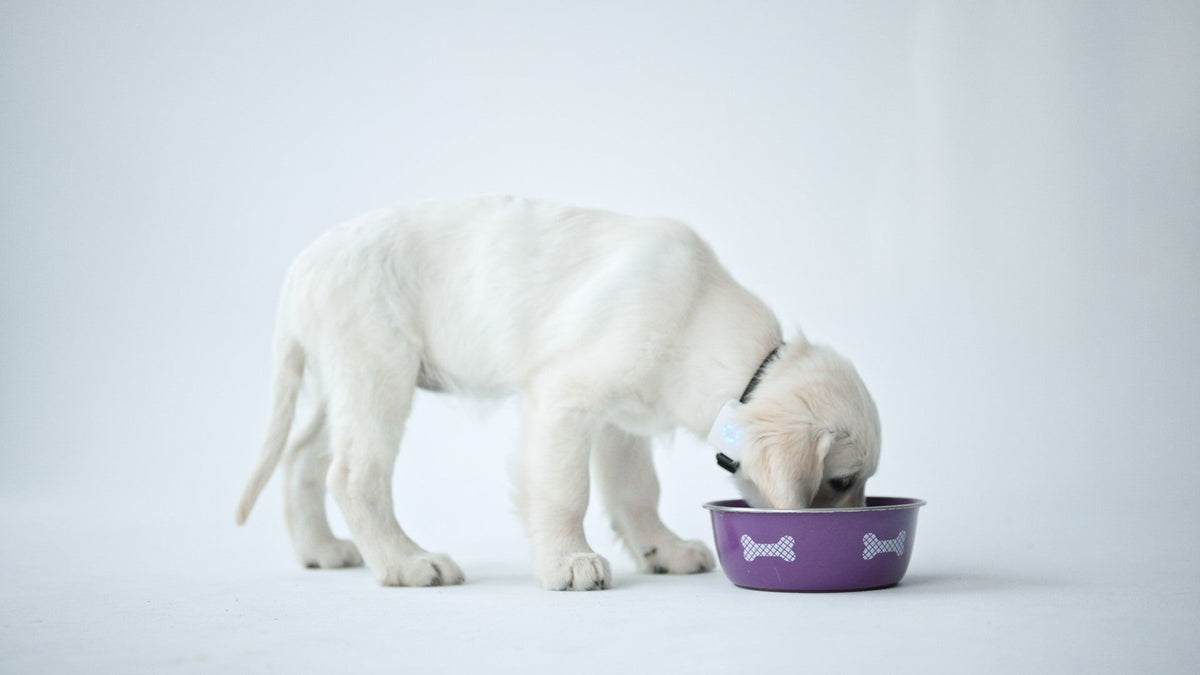

Retrievers have a reputation for being friendly, sociable and easy to live with. That is not entirely wrong – but it is not the whole story either. Behind the cheerful expression is a working gundog with a strong retrieving instinct, an excellent nose and often considerably more energy than a first-time owner expected. Although the six retriever breeds share many qualities, living with a Toller can be very different from living with a Golden Retriever or Labrador.
This guide introduces all six retriever breeds, explains the differences between them and highlights what you should consider before choosing one. The aim is not to name a single “best” retriever, but to help you find the breed that fits the life you actually lead.
Labrador or Golden Retriever: For active households looking for a sociable and versatile dog.
Flat-Coated Retriever: For people who enjoy enthusiasm, energy and plenty of shared activities.
Toller: For an engaged owner who wants a smaller but intense working dog.
Chesapeake or Curly-Coated Retriever: For experienced owners who appreciate working ability and independence.
What exactly is a retriever?
The word retriever comes from “to retrieve” – to bring something back. These breeds were developed to locate and retrieve shot game, particularly birds, on both land and water. A capable retriever needed to work closely with its handler, remember where birds had fallen, search methodically and carry game back gently.
That original purpose explains many of the qualities still associated with retrievers today:
- They often enjoy working closely with people.
- Many love carrying objects – including shoes, gloves and children’s toys.
- They are frequently attracted to water, scents and search-based activities.
- They tend to learn quickly but need meaningful ways to use their minds.
- Many are sociable, although confidence and openness vary between breeds and individuals.
There are six recognised retriever breeds: the Labrador Retriever, Golden Retriever, Flat-Coated Retriever, Curly-Coated Retriever, Chesapeake Bay Retriever and Nova Scotia Duck Tolling Retriever. All six are classified within the retriever section of FCI Group 8.
It is also important to remember that “friendly” does not mean “effortless”. A retriever that receives too little exercise, training, sleep or mental stimulation can become frustrated, overexcited or highly inventive. The calm family dog people picture is usually built through thoughtful breeding, patient training and maturity.
The six retriever breeds – from the popular Labrador to the rare Curly
1. Labrador Retriever – versatile, sociable and full of energy
The Labrador is often seen as the classic family dog: friendly, food-motivated, eager to learn and usually equipped with a permanently wagging tail. It can be an excellent first dog for people who genuinely want an active companion and are prepared to train consistently. However, the calm and dependable adult Labrador many people imagine may be the result of several years of patient work – not an accurate description of the puppy that first arrives home.
Young Labradors can be strong, impulsive and extremely energetic. They may jump up, pull on the lead, steal food and approach the world with their entire body. At the same time, their willingness to cooperate and enthusiasm for food often make them rewarding dogs to train.

A Labrador may suit:
- active families looking for a sociable dog
- retrieving, fieldwork, tracking, obedience and scent work
- hiking, swimming and outdoor activities
- owners who enjoy doing some training every day
Think carefully if: You want a dog that is calm from day one, rarely gets dirty and has little interest in food. Labradors can become steady adult dogs, but adolescence may be physically and mentally demanding.
For a deeper look at the breed’s temperament, health, size and puppy stage, read our complete Labrador Retriever guide.
2. Golden Retriever – a friendly all-rounder with more depth than its reputation
The Golden Retriever is strongly associated with family life, and many are open, trusting and highly cooperative. However, the breed is capable of far more than companionship. Golden Retrievers can excel in retrieving work, obedience, tracking, search and rescue, assistance work and a wide range of dog sports.
There can be substantial differences between breeding lines. Some Goldens are heavier and calmer in appearance, while others are lighter, faster and bred with a much stronger focus on working ability. It is therefore not enough to assume that “a Golden is a Golden”. The breeder’s goals and the dogs behind the puppy matter enormously.
A Golden Retriever may suit:
- families looking for a sociable and trainable dog
- owners who want to combine walks, everyday training and dog activities
- retrieving, tracking, scent work and handler-focused training
- people who can live with shedding, wet paws and regular grooming
Think carefully if: You are choosing the breed only because it looks gentle and easy. An under-stimulated Golden Retriever can also become difficult, and its coat requires more care than a Labrador’s.

You can learn more about the breed’s temperament, health, exercise needs and coat in our complete Golden Retriever guide.
3. Flat-Coated Retriever – an eternal optimist with energy to spare
The Flat-Coated Retriever, often simply called a “Flatcoat”, is known for its cheerful nature, enthusiasm and youthful personality. This is often the dog that enters a room as though everybody has been waiting for its arrival.
Flatcoats are sociable and quick to learn, but they are also energetic and physically exuberant. A quiet circuit of the neighbourhood is rarely enough. Woodland walks, retrieving exercises, search games and structured training provide far more value than simply trying to tire the dog with increasingly long walks.

A Flat-Coated Retriever may suit:
- active people who enjoy a lively and sociable dog
- gundog work, retrieving, tracking, obedience and search work
- families with time for physical and mental activity
- people who appreciate humour, enthusiasm and a big personality
Think carefully if: You want a quiet dog that matures quickly. Flatcoats can be intense, slow to mature and physically overwhelming when young.
4. Nova Scotia Duck Tolling Retriever – small retriever, serious working dog
The Nova Scotia Duck Tolling Retriever, or Toller, is the smallest retriever breed. Smaller does not necessarily mean easier. The Toller is an agile, intelligent and often sensitive working dog that can become intensely focused when given the right task. It was developed to lure ducks within range and retrieve them after the shot, which explains the name tolling retriever.
Many people are drawn to the Toller’s compact size, red coat and fox-like appearance. In practice, the breed may require more precision, calm handling and training awareness than some larger retrievers. Tollers need mental work but must also learn how to switch off. Some are more reserved with strangers or more sensitive to sound and pressure than people expect from a retriever.

A Toller may suit:
- engaged owners who enjoy purposeful dog training
- retrieving, tracking, scent work, obedience and dog sports
- active homes that can also teach the dog to settle
- people looking for a smaller, athletic working dog
Think carefully if: You are choosing a Toller because you want “a smaller, easier Golden Retriever”. It is a distinct breed with its own temperament and demands.
5. Chesapeake Bay Retriever – robust, loyal and more independent
The Chesapeake Bay Retriever, often known as the “Chessie”, was developed for demanding water work in North America. It is powerful, hardy and protected by a dense, water-resistant coat. Compared with the Golden and Labrador, it is often more independent, strong-minded and closely attached to its own family.
In the right home, a Chesapeake can be an impressive working and outdoor companion. It may not be the obvious choice for someone who primarily wants an easy-going dog that greets every stranger with enthusiasm. Careful socialisation, fair training and respect for the breed’s individual nature are particularly important.

A Chesapeake Bay Retriever may suit:
- experienced owners who enjoy robust working dogs
- hunting, water work, tracking and demanding outdoor activities
- people who want a close partnership but accept independence
- homes able to provide clear boundaries and meaningful work
Think carefully if: You want the most socially open and uncomplicated retriever. A Chesapeake may require more experience and a strong understanding of canine communication.
6. Curly-Coated Retriever – an independent original with distinctive curls
The Curly-Coated Retriever is one of the oldest retriever breeds and remains one of the least common. It is known for its close, curly coat and its combination of stamina, intelligence and working ability. A Curly may be deeply devoted to its family without showing the same enthusiasm for every stranger it meets.
The breed is a capable water retriever and can enjoy many different activities. Curly-Coated Retrievers are often described as more independent and strong-minded than the best-known retrievers. Positive, consistent training and varied tasks usually work better than endless repetition.

A Curly-Coated Retriever may suit:
- active and experienced owners looking for a less common breed
- hunting, water work, tracking and dog sports
- people who appreciate an intelligent dog with its own opinions
- families able to provide both activity and close companionship
Think carefully if: You expect a dog that automatically does everything to please you. A Curly can be cooperative while still having a distinctly independent character.
Retriever breeds compared
Every dog is an individual. Breeding line, upbringing, health, experience and training can create considerable variation within the same breed. This table is a practical starting point rather than a guarantee.
| Breed | Typical character | Activity needs | Grooming | May suit |
|---|---|---|---|---|
| Labrador | Sociable, robust and people-focused | Moderate to high | Simple, but heavy shedding | Active families, engaged first-time owners, fieldwork and dog sports |
| Golden Retriever | Friendly, cooperative and versatile | Moderate to high | Moderate | Active families, retrieving, tracking and obedience |
| Flat-Coated Retriever | Energetic, cheerful and slow to mature | High | Moderate | Very active homes, fieldwork and varied training |
| Toller | Quick, sensitive and work-driven | High, particularly mentally | Moderate | Training-focused owners and dog sports |
| Chesapeake | Robust, loyal and independent | High | Relatively simple | Experienced owners, hunting, water work and demanding outdoor life |
| Curly-Coated Retriever | Hard-working, intelligent and independent | High | Relatively simple | Experienced, active owners looking for a less common working breed |
Working lines and show lines: the difference can be greater than you expect
When you choose a retriever, you are not choosing only a breed. You are also choosing a breeding line, a breeder and the qualities that have been prioritised over several generations.
The terms working line, field line, show line and dual-purpose line are used particularly often with Labradors and Golden Retrievers. They are not separate breeds, and real dogs do not always fit neatly into labels. Even so, there can be noticeable differences:
- Working or field-bred lines are often lighter, faster and bred with greater emphasis on searching, retrieving, stamina and cooperation.
- Show-bred lines are often more heavily built and selected with greater emphasis on the breed standard and physical appearance.
- Dual-purpose lines aim to retain both working ability and a traditional breed appearance.
This does not mean that every show-bred dog is calm or that a working-bred dog cannot be a family companion. However, a dog bred for intense work will usually need an owner who genuinely wants to use that ability.
Do not ask a breeder only how the parents look. Ask what they do, how they behave in the home, how easily they settle, how they respond to strangers and what kind of households dogs from previous litters have suited.
Which retriever breed is right for you?
The tempting answer is to choose with your heart. The sensible answer begins with your calendar.
What does an ordinary Tuesday look like in your home – not the perfect Sunday when everyone has time for a long hike? A retriever must fit into working weeks, rainy weather, illness, winter evenings and busy family periods. Consider your real routine before choosing your favourite coat colour.
You want a sociable all-rounder
Labradors and Golden Retrievers are often the most obvious choices. Both are versatile, but breeding lines matter. Labradors are often more physical and food-driven, while Goldens are sometimes considered slightly softer. Individual variation within both breeds remains substantial.
You want energy, humour and plenty of activity
A Flat-Coated Retriever may be an excellent match if you enjoy an exuberant dog and active training. You should also be comfortable with a dog whose youthful behaviour may last for quite a long time.
You want to train seriously or take part in dog sports
A Toller can be a fascinating partner for an engaged trainer. Choose the breed for its working qualities, not simply because it is the smallest retriever. An intense and sensitive dog often requires a thoughtful balance between activity and calm.
You want a robust and more independent working dog
A Chesapeake or Curly may suit an experienced owner who appreciates independence and a distinctive temperament. Both are relatively uncommon, so finding the right breeder and litter may take time.
You mainly want a quiet companion
In that case, pause before choosing a retriever. Calm individuals exist in all six breeds, and mature retrievers can be pleasant house dogs. However, these breeds were created to work. If your priority is minimal training and exercise, another breed may suit you better.
How much exercise does a retriever need?
There is no single number of minutes that suits every retriever. Age, health, breeding line and personality matter more than a universal exercise target. A healthy adult retriever generally needs daily physical activity, but mental stimulation is the part many owners underestimate.
Suitable activities include:
- retrieving a dummy or toy
- food searches and scent games
- tracking and simple search exercises
- everyday obedience and engagement training
- swimming in safe conditions
- varied walks with time to sniff and explore
- learning to wait, manage excitement and settle
More is not always better. A dog given high-speed games, repeated ball throwing and increasingly long runs may become extremely fit without becoming calmer. Retrievers also need sleep, recovery and the ability to relax while life continues around them.
Retrieving is more than throwing a ball
Many retrievers love chasing and carrying objects, but uncontrolled ball throwing can encourage over-arousal and repetitive physical strain. Instead, use the dog’s retrieving instinct in exercises that involve waiting, following cues, using the nose and returning the object calmly.
Recall must be trained before you need it
Even a cooperative retriever may follow an exciting scent, jump into water or run over to greet somebody. Build recall gradually using a long line, appropriate distance and rewards your dog genuinely values.
Do retrievers make good family dogs?
Yes, many retrievers live very successfully in families. They are often sociable, trainable and keen to be involved in everyday life. However, “good family dog” does not mean that the dog should tolerate everything or train itself.
Retrievers and children
A large, excited adolescent dog can knock over a small child without intending harm. Teach both dog and child appropriate boundaries. The dog should be left alone while eating and sleeping, children should not climb on it, and interactions should be supervised by an adult.
Retrievers and other animals
Many retrievers live comfortably with other dogs and may also get along with cats when introduced carefully. Breed alone offers no guarantee. Hunting interest, previous experience and the individual dog’s temperament all matter.
Can retrievers be left alone?
An adult dog can learn to remain alone for reasonable periods, but this must be introduced gradually. Because retrievers are generally social dogs, many cope poorly with being left for very long days as a regular routine. A young puppy should never be expected to manage an entire working day alone.
Coats, water and the familiar smell of wet dog
Retriever coats were largely developed for outdoor work. Several of the breeds have dense, weather-resistant coats and a strong attraction to water. That is useful in the field and less convenient when the dog finds a muddy pond five minutes before the journey home.
Labradors, Curly-Coated Retrievers and Chesapeakes have relatively straightforward grooming needs, but that does not mean they shed lightly. Golden Retrievers, Flatcoats and Tollers need regular brushing and closer attention to feathering, feet and areas where tangles form easily.
After swimming, allow the coat to dry properly and keep an eye on the ears and skin. If a spotless home without sand, loose hair or damp towels is a high priority, spend time with adult retrievers in wet weather before making your decision.
If your dog loves water, our guide to safe swimming, life jackets and water safety for dogs is also worth reading.
Buying a retriever puppy: what you need to know first
It is easy to fall in love with a retriever puppy. They are soft, curious and often very people-oriented. However, puppyhood represents only a small part of the dog’s life. When choosing a puppy, you are also choosing the adult dog’s size, activity needs, coat, working instincts and potential temperament.
Look beyond colour, sex and the puppy photograph that catches your attention first. A Golden Retriever puppy from one breeding line may develop very differently from a highly driven Golden from established working lines. The same is true of Labradors, Tollers and the other retriever breeds.
The first year with a retriever can be lively
Many retriever puppies explore the world with their mouths. They carry, chew, steal and pick up almost everything they find. This is partly connected to their natural retrieving behaviour, but it also means the home needs to be puppy-proofed. The puppy should learn to swap and release objects without conflict.
Early training should include short, positive sessions covering:
- name recognition, engagement and basic recall
- calm handling of paws, coat, ears and teeth
- careful socialisation and environmental exposure
- being left alone in very small stages
- waiting, resting and settling
- playful retrieving without pressure
A puppy does not need long training sessions or demanding physical exercise. It needs safe experiences, sufficient sleep and a world that becomes larger gradually. The goal is not to complete as many activities as possible, but to raise a secure dog that enjoys working with its owner.
Choose the right litter, not only the right breed
Tell the breeder honestly what your daily life looks like and what you hope to do with the dog. Will it mainly be a family companion, hiking partner, working gundog or dog-sport prospect? A responsible breeder knows the puppies and may be able to match an individual to your household more accurately than you can from a photograph or short visit.
Ask about the parents’ health, temperament, activity level and ability to settle. Find out how dogs from earlier litters have developed. This information is often more valuable than a general description of the breed.
The Kennel Club advises puppy buyers to meet the breeder, see the puppy and meet the puppy’s mother before committing to a purchase. Its breeder and puppy guidance is a useful starting point when researching breeders.
Health and choosing a responsible breeder
Every retriever breed can be affected by health problems, and the recommended screening differs between breeds. Hips, elbows, eyes and various DNA-testable conditions may all be relevant. The important thing is not to collect the greatest number of test abbreviations, but to understand which tests matter for the breed and mating you are considering.
A responsible breeder should be able to explain:
- why the two parent dogs were selected for each other
- which health tests have been completed
- what the results mean
- the temperament and working traits found in the pedigree
- which kinds of home the puppies are likely to suit
- how the puppies are raised and socialised before leaving
- what support is available after the puppy goes home
Ask to meet the mother and, where possible, other adult relatives. Look for dogs that appear healthy, confident and functional rather than focusing only on appearance. A responsible breeder will also ask you questions and may advise against the breed or litter if it is unlikely to suit your lifestyle.
Reliable further reading: The FCI breed directory lists the internationally recognised retriever breeds and official standards. The Kennel Club publishes a guide to health screening and breed-specific testing recommendations. Local kennel clubs and recognised breed clubs should be used to check requirements, breeders and registered health results in your country.
Hiking, travel and GPS – particularly relevant for active retrievers
Retrievers often accompany their owners on long woodland walks, hunting trips, holidays and adventures around water. Their excellent noses and working drive are valuable qualities, but they may also carry a dog farther than expected when a scent or situation becomes especially exciting.
A GPS tracker does not replace recall training, a lead or responsible supervision. It can, however, provide an additional safety layer if the dog gets loose, particularly in unfamiliar terrain or while travelling.
If you would like to understand the technology, our guide explains how GPS dog trackers work. A second guide offers a more detailed explanation of GPS, Bluetooth and cellular tracking in practice.
Planning a Nordic road trip or hiking holiday? You may also find our guide to travelling in Norway with a dog useful.
Frequently asked questions about retrievers
How many retriever breeds are there?
There are six recognised retriever breeds: the Labrador Retriever, Golden Retriever, Flat-Coated Retriever, Curly-Coated Retriever, Chesapeake Bay Retriever and Nova Scotia Duck Tolling Retriever.
Which is the smallest retriever breed?
The Nova Scotia Duck Tolling Retriever, commonly called the Toller, is the smallest retriever. It is still an active working dog and should not be chosen purely because of its size.
Which retriever is best for a first-time owner?
A Labrador or Golden Retriever from a line suited to the owner’s lifestyle can be a good choice for an engaged first-time owner. The breeder, individual dog, breeding line and owner’s expectations are at least as important as the breed name.
What should I know before buying a retriever puppy?
Choose a litter according to the parents’ health, temperament and working traits – not only colour or immediate availability. Retriever puppies can be energetic, use their mouths extensively and require consistent training in recall, settling and everyday behaviour.
What is the difference between a Labrador and a Golden Retriever?
Both are cooperative retrieving breeds. Labradors have shorter coats and are often more physical and food-driven, while Golden Retrievers have longer coats and are sometimes described as slightly softer. There is considerable variation between individuals and breeding lines in both breeds.
Is a Toller a small Golden Retriever?
No. The Toller is a separate breed with its own history and temperament. It is often quick, work-driven and sensitive and may be more demanding than its smaller size suggests.
Do all retrievers like water?
These breeds were developed for retrieving, often from water, and many retrievers love swimming. This does not apply to every individual. Puppies and inexperienced dogs should be introduced to water gradually and without force.
Do retrievers shed heavily?
Yes. Most retrievers shed, and some shed heavily during seasonal coat changes. Coat length varies, but none of the six retriever breeds is considered non-shedding.
Are retrievers hypoallergenic?
No retriever breed is considered hypoallergenic. Reactions vary between individuals, so anyone with a dog allergy should spend time around adult dogs before considering a purchase.
Do you have to hunt with a retriever?
No, but the dog should have opportunities to use its natural abilities. Retrieving exercises, scent work, tracking, obedience and other cooperative activities can provide a fulfilling life without practical hunting.
So, which retriever should you choose?
Do not choose the retriever that fits your dream of owning a dog. Choose the retriever that fits your actual life.
For many people, the choice comes down to a Labrador or Golden Retriever, and both can become excellent all-round dogs in active homes. The Flatcoat suits someone who wants even more energy and enthusiasm. A Toller can be an intensely rewarding partner for a training-focused owner. Chesapeakes and Curly-Coated Retrievers offer robust working qualities and greater independence for people who appreciate those traits.
Take time to meet adult dogs, speak to several breeders and watch the breeds doing the work they were created for – not only posing on social media. The right retriever may not be the first one you fall in love with. It is the one you will still enjoy living with on a wet, busy Tuesday, long after the puppy photographs were taken.
Share:
Viking dogs and cats: What animals did the Vikings keep?