
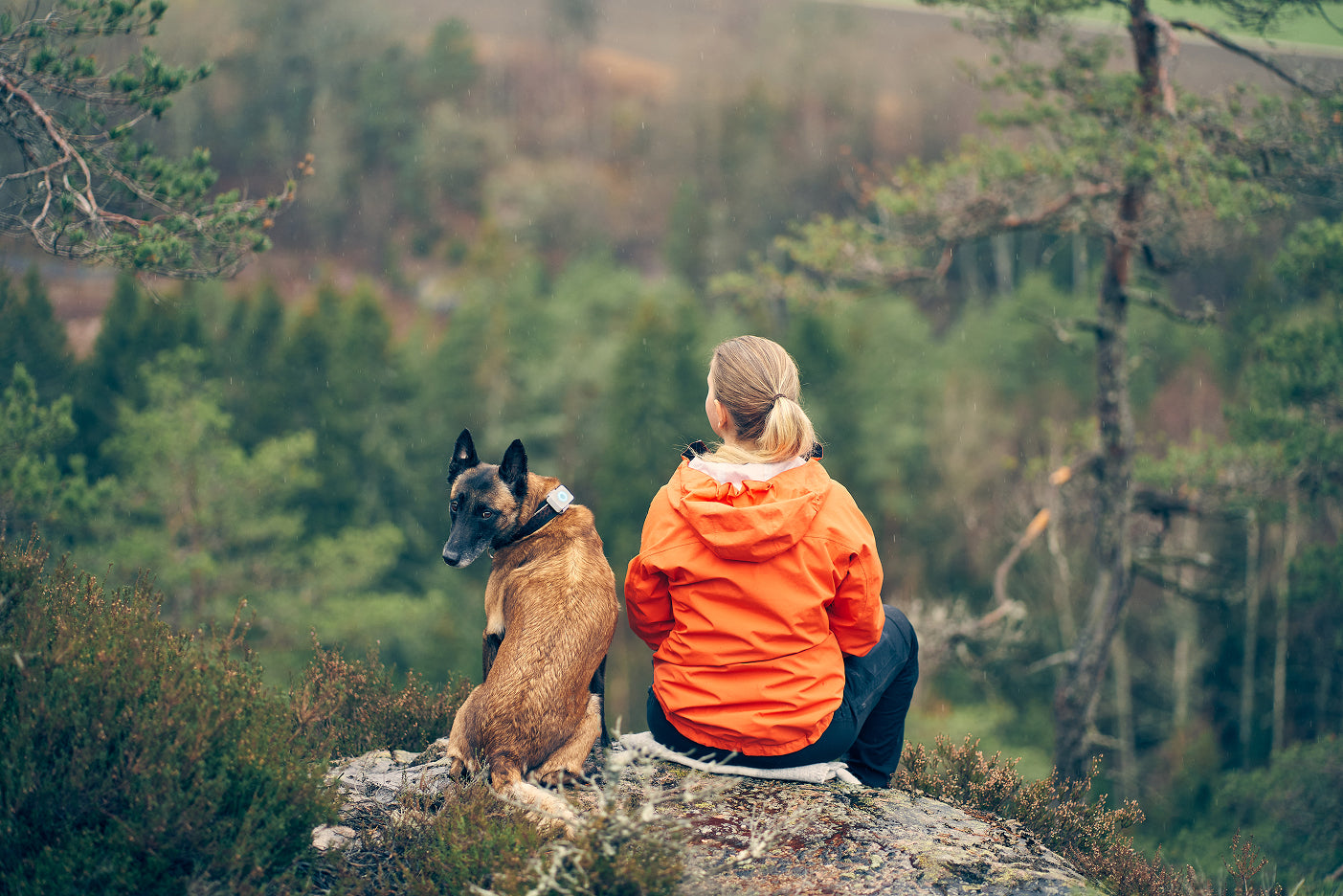
Holiday in Norway with a Dog – The Complete Guide for Camping, Motorhomes and Summer Travel
Norway is one of Europe's best destinations for a holiday with a dog. You'll find vast natural landscapes, cooler summer temperatures, dog-friendly campsites and thousands of hiking opportunities. However, Norway also has its own rules and challenges that you should know before travelling.
This guide is written specifically for tourists, backpackers, campers and motorhome travellers who want to explore Norway together with their dog.

Why are more people choosing Norway for a holiday with their dog?
In recent years, more Europeans have started looking for cooler summer destinations. This travel trend is often referred to as a "Coolcation" — choosing a destination with milder temperatures instead of extreme summer heat.
For dog owners, this makes perfect sense. Dogs generally cope with heat less effectively than humans, especially during long road trips, at campsites or in urban areas with hot pavement.
In Norway, you'll often enjoy:
- cooler temperatures
- less risk of overheating
- vast natural landscapes
- endless hiking opportunities
- fresh water almost everywhere
- a more relaxed camping experience
For many dogs, 18°C (64°F) in the mountains is far more comfortable than 35°C (95°F) at a crowded beach campsite in Southern Europe.
Norway is particularly suitable for:
- camping enthusiasts
- motorhome travellers
- vanlife travellers
- backpackers with dogs
- active dog owners who enjoy hiking
Leash Laws in Norway
If you plan to travel with your dog in Norway, it is important to understand the country's leash regulations.
Norway has a nationwide leash requirement from 1 April to 20 August. These rules are designed to protect wildlife, nesting birds and livestock during the most sensitive period of the year.
Even if your dog is friendly and well-trained, it must remain on a leash during this period, including in nature and hiking areas.
Some municipalities also have local regulations that extend leash requirements in popular hiking destinations, national parks or areas with grazing animals.
You can learn more in our guide to leash laws in Norway.
When exploring unfamiliar terrain or undertaking long mountain hikes, it can also be wise to use a GPS tracker for dogs. Many visitors underestimate both the distances and the limited mobile coverage found in some parts of Norway.

Bringing a Dog into Norway
If you are travelling to Norway from another country, it is important to check the entry requirements for dogs well before departure.
Norway is one of the few countries in Europe that is considered free from rabies and several serious animal diseases. To maintain this status, strict regulations apply to dogs entering the country.
Depending on where you are travelling from, your dog may need:
- a valid microchip
- a pet passport or health certificate
- a valid rabies vaccination
- documented tapeworm treatment
One reason for these requirements is Norway's effort to prevent the spread of Echinococcus multilocularis, also known as the fox tapeworm. This parasite can infect animals and, in rare cases, humans. If it were to become established in Norwegian wildlife, it would be extremely difficult to eradicate.
Many travellers are unaware that missing documentation can have serious consequences. In some cases, dogs may be denied entry, returned to their country of origin, or require additional veterinary treatment and inspections at the owner's expense.
Requirements vary depending on your country of origin, so always check the latest regulations before travelling.
The Right to Roam and Camping with a Dog
Norway's unique Right to Roam allows people to move freely through nature. This is one of the reasons why Norway is so popular among backpackers, campers and motorhome travellers.
You can generally:
- walk almost anywhere in nature
- camp in uncultivated areas
- spend the night outdoors
- explore mountains, forests and coastlines
However, this freedom comes with responsibility.
- Always pick up after your dog.
- Respect wildlife and livestock.
- Avoid camping too close to private homes.
- Keep your dog under control at all times.
Norwegian communities are generally welcoming towards visitors travelling with dogs, but nature should always be left exactly as you found it.
Camping, Tents and Motorhomes with a Dog
Norway is exceptionally well suited for camping with a dog. From small mountain campsites to large motorhome parks, you'll find excellent facilities throughout the country.
However, there are a few things many international visitors do not consider:
- The weather can change extremely quickly.
- Temperatures can drop significantly at night, even during summer.
- Mountain regions may experience strong winds and rain in the middle of July.
- Many areas have free-roaming sheep and reindeer.
Always plan ahead with:
- extra drinking water
- blankets or warm sleeping solutions
- rain protection
- a sturdy leash and harness
- lights and reflective gear
If you're travelling by motorhome or campervan, you should also be careful about leaving your dog unattended in the vehicle. Norwegian summers are generally cooler than many other parts of Europe, but temperatures inside vehicles can still become dangerously high.
You can learn more in our guide to dogs in cars during summer.

Dog-Friendly Destinations in Norway
Norway offers countless destinations that are perfect for travelling with a dog. Whether you're looking for mountain adventures, beaches, forests or charming coastal towns, you'll find options across the entire country.
Lofoten
Lofoten is famous for dramatic mountains, white sandy beaches and the Midnight Sun. The region is especially popular among campers and vanlife travellers.
Remember to respect local communities and nature, particularly during the busy summer season when many small villages receive large numbers of visitors.
Senja
Often called “Norway in Miniature,” Senja combines mountains, fjords and coastal scenery in one destination. Many dog owners prefer Senja because it is generally quieter than Lofoten.
Jotunheimen
Perfect for active dog owners who enjoy long hikes and spectacular scenery. Keep in mind that weather conditions in the high mountains can change rapidly, even in midsummer.
Hardanger
Known for its fjords, waterfalls and green landscapes, Hardanger is a favourite among international visitors looking for the classic Norwegian experience.
The Helgeland Coast
An underrated destination featuring stunning coastal scenery, island hopping opportunities and significantly fewer tourists than Norway's most famous locations.
Safety in Norwegian Nature
Norwegian nature is breathtaking, but it can also be demanding. Many visitors underestimate distances, terrain and changing weather conditions.
This is especially important when travelling with a dog.
Things to keep in mind:
- Mobile coverage can be limited in mountain regions.
- Weather conditions can change rapidly.
- Dogs often become tired before their owners do.
- Cold rivers and strong currents can be dangerous.
- Steep mountain terrain may be challenging for small or older dogs.
For additional peace of mind, many dog owners use a GPS tracker for dogs, especially when exploring unfamiliar areas or allowing their dog off-leash where permitted.
If you're planning long hikes, you should always:
- check the weather forecast
- bring extra water
- take frequent breaks
- avoid the hottest hours of the day
- stay on marked trails
If your dog has a tendency to run off in unfamiliar surroundings, it may also be helpful to read our guide on what to do if your dog runs away.
Heat, Hot Asphalt and Long Road Trips
Although Norway is cooler than Southern Europe, dogs can still suffer from overheating.
Asphalt can become surprisingly hot during summer, especially in cities and on campsites.
A simple rule is to place your hand on the ground for a few seconds. If it's too hot for your hand, it's too hot for your dog's paws.
During long road trips, you should:
- stop every two to three hours
- offer water frequently
- avoid travelling during the hottest part of the day
- never leave your dog alone in a hot vehicle
- ensure proper ventilation in your car or motorhome
You can learn more about temperature-related risks in our guide to dogs in cars during summer.
For active dogs, it can also be beneficial to plan longer walks early in the morning or later in the evening when temperatures are lower.
If you plan on spending plenty of time swimming during your trip, you may also find our guide to dog swimming safety during summer useful.
Ticks and Adders in Norway
Two of the most common summer hazards for dogs in Norway are ticks and adders.
Ticks
Ticks are found throughout much of Southern Norway and along the coastline. Tick season is often longer during warm summers.
Use a suitable tick preventative and check your dog every evening, especially around:
- ears
- neck
- belly
- armpits
- between the toes
Ticks are particularly common in tall grass, woodland areas and coastal regions.
Adders
The European adder can be found in many parts of Norway during summer, particularly in sunny areas with rocks, heather and low vegetation.
If your dog is bitten:
- keep your dog calm
- contact a veterinarian immediately
- avoid unnecessary activity
- do not attempt to suck out the venom
Most dogs recover well with prompt treatment, but quick action is important.
Can Dogs Wait Outside Shops in Norway?
Many visitors are used to tying their dog outside shops, cafés or restaurants. In Norway, you should be cautious about doing this.
It is generally not recommended to leave a dog unattended outside a shop for extended periods. Dogs can become stressed, frightened or exposed to theft and other unwanted situations.
In busy tourist areas, conflicts with other dogs, children or passers-by can also occur.
If you need to shop during your journey, the safest option is usually for one person to stay with the dog while another goes inside.
Several Norwegian shopping centres now offer dedicated dog waiting facilities and dog hotels that make shopping with a dog safer and more convenient. Lildog Hotel was developed specifically for this purpose — a temperature-controlled and secure place where your dog can wait while you shop.

Essential Equipment for Travelling with a Dog
Before travelling through Norway with your dog, it is wise to bring:
- a water bowl
- extra drinking water
- a long lead or sturdy leash
- reflective gear or lights
- a first aid kit
- a towel and rain protection
- a GPS tracker
- a tick removal tool
- enough food for several days
If you are planning long mountain hikes or travelling through multiple regions, it can also be helpful to understand how GPS trackers for dogs work.
Many visitors are surprised by how vast Norway really is. In some regions, the nearest town or veterinary clinic may be several hours away.
Additional safety measures and good planning become particularly important when travelling far from populated areas.
For some dogs, unfamiliar surroundings, crowds and new scents can create stress. If your dog tends to wander off, you may also find our guide to GPS tracking, leash laws and dog safety useful.
Frequently Asked Questions About Travelling in Norway with a Dog
Can dogs stay in hotels in Norway?
Many hotels in Norway allow dogs, but policies vary between properties. Always check pet policies and any additional fees before booking.
Are leash laws enforced throughout Norway?
Yes. The nationwide leash requirement applies from 1 April to 20 August, although some municipalities may have additional local regulations.
Does my dog need a rabies vaccination to enter Norway?
It depends on the country you are travelling from. Many dogs entering Norway must have a valid rabies vaccination, microchip and the correct travel documentation. Always check current entry requirements before travelling.
Why does Norway require tapeworm treatment?
Norway aims to prevent the spread of the fox tapeworm (Echinococcus multilocularis), a parasite that can be extremely difficult to eliminate if it becomes established in wildlife.
Can dogs swim at public beaches?
Rules vary depending on the location. Some beaches prohibit dogs during peak season, while others allow dogs year-round.
Is Norway a safe country for dogs?
Yes. Norway is generally considered a very safe destination for dogs. However, you should still be aware of ticks, adders, changing weather conditions and the large distances often found in remote areas.
Can dogs travel on trains in Norway?
Yes. Dogs are allowed on many trains in Norway, although rules and ticket requirements vary between operators.
What should I do if my dog runs away while travelling?
Try to remain calm and avoid chasing your dog. Many dogs return if their owner stays in the area. GPS tracking can make it significantly easier to locate a dog quickly in unfamiliar surroundings.
Share:
Dogs and Water Play: A Guide to a Safe and Fun Summer
Dog Age Calculator – How Old Is Your Dog in Human Years?