
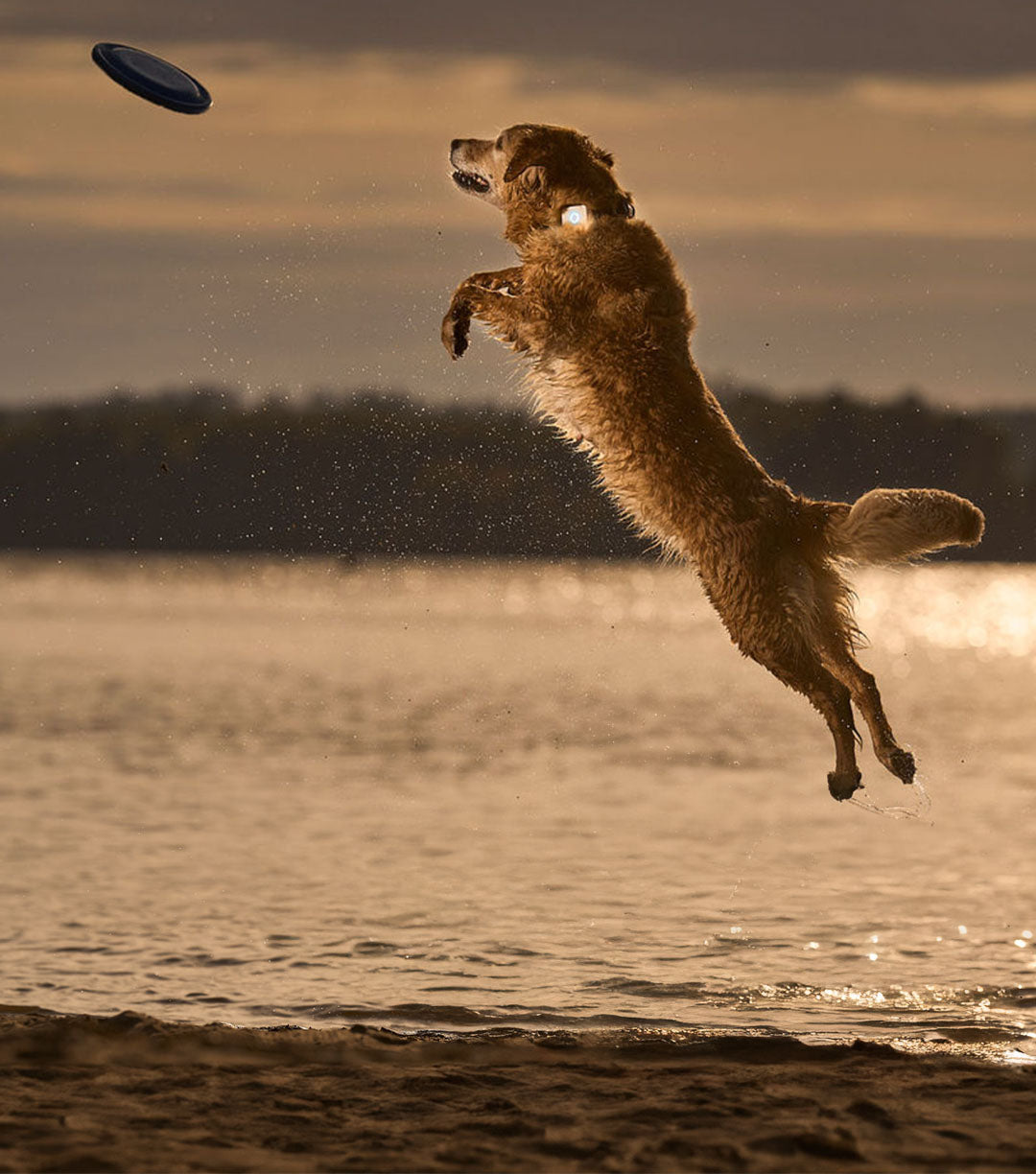
Dogs and Water Play – The Complete Guide to Safe Swimming and Summer Adventures
Summer means beach days, boating, camping and water fun for many dogs. Most dogs love jumping into the water or swimming after a stick, but water and heat can also present risks if owners are not paying attention.
Dogs can overheat, drink dangerous amounts of salt water, panic in strong currents, or develop hotspots after spending long days with a wet coat. With a little knowledge and some simple precautions, you can enjoy a safe, fun and worry-free summer by the water.
This guide covers everything you should know about dogs and swimming—from life jackets and boating to blue-green algae, water intoxication, first aid and water safety.

Why Do Dogs Love Water?
Many dogs love water because it combines play, cooling down and exercise all at the same time. During hot summer days, swimming can also help dogs regulate their body temperature more effectively.
For some breeds, a love of water is deeply rooted in genetics. Retrievers, spaniels and many hunting breeds were developed to work in and around water, which is why they often enjoy swimming, retrieving and exploring shorelines.
Swimming can provide:
- mental stimulation
- low-impact exercise for joints and muscles
- cooling on hot days
- fun and confidence-building experiences
- variety in daily routines
That said, not every dog enjoys being in the water. Some dogs are naturally cautious, while others simply dislike swimming.
A dog should never be thrown into the water to “teach it how to swim.” Negative experiences can create fear and anxiety that may last for years.
If you're planning beach trips, camping holidays or boating adventures, you may also find our guide to travelling in Norway with a dog useful.
Are All Dogs Good Swimmers?
Many people assume that all dogs instinctively know how to swim, but that isn't always true.
Some dogs are naturally strong swimmers, while others can become exhausted or struggle in the water surprisingly quickly.
Breeds with heavy chests, short legs or flat faces often face additional challenges in the water.
This includes breeds such as:
- Pugs
- Bulldogs
- French Bulldogs
- Dachshunds
- senior dogs
Even dogs that enjoy swimming can get into trouble when faced with:
- strong currents
- large waves
- cold water
- fatigue
- slippery rocks or docks
Always supervise your dog when it is in the water, even if it appears confident and experienced.

Dog Life Jackets
Many owners assume life jackets are only necessary for small or nervous dogs, but a quality dog life jacket can benefit almost any dog around water.
Even strong swimmers can become tired, panic unexpectedly, or encounter waves and currents that make staying afloat difficult.
A life jacket is especially important for:
- boating
- kayaking and paddleboarding
- strong currents
- fjords and open water
- long swimming sessions
- cold water
- puppies and senior dogs
A good life jacket should include:
- a sturdy rescue handle on the back
- bright colours or reflective elements
- a secure fit
- flotation support around the chest and neck
Life jackets also help dogs conserve energy by supporting their rear body while swimming.
| Situation | Life Jacket Recommended? |
|---|---|
| Calm beach | Often not necessary |
| Boating and docks | Yes |
| SUP or kayaking | Yes |
| Strong currents | Absolutely |
| Puppies or senior dogs | Yes |
Dogs on Boats, SUPs and Kayaks
Summer often means spending time on the water. Lakes, fjords, rivers and coastal areas encourage more dog owners to bring their dogs on boats, kayaks and paddleboards.
While many dogs love these activities, watercraft and open water can also be unpredictable.
Dogs may:
- be startled by waves or engine noise
- jump into the water unexpectedly
- lose their footing on slippery surfaces
- become tired from sun and heat
- lose their sense of direction
If your dog is new to boating, start slowly. Allow it to explore at its own pace and reward calm behaviour.
On warm days, dogs should always have access to:
- shade
- fresh drinking water
- a cool resting surface
- opportunities to rest
Many owners also use GPS tracking during boating trips and holidays because dogs are more likely to become distracted in unfamiliar surroundings.
If you frequently explore beaches, campsites or unfamiliar areas, it may also be worth learning how GPS trackers for dogs work.
The Lildog tracker is designed for active dogs and is IP67 rated, meaning it can handle rain, splashes and wet summer adventures.

Currents, Waves and Hidden Water Hazards
Many people associate drowning accidents with deep water far from shore. In reality, strong currents and waves are often a bigger threat than swimming itself.
Even experienced swimmers can struggle in:
- fast-moving rivers
- lake outlets
- underwater currents
- tidal currents
- rough waves
A dog chasing a stick or ball can quickly drift farther than expected before realising how powerful a current actually is.
Be especially cautious around rivers, rapids, tidal channels and areas with heavy boat traffic. If conditions are uncertain, a life jacket is one of the smartest safety investments you can make.
Can Dogs Drink Salt Water?
The short answer is no. Dogs should not drink salt water.
When dogs play in waves, retrieve balls from the ocean or spend long periods swimming in the sea, they often swallow more salt water than owners realise.
Large amounts of salt water can cause:
- dehydration
- vomiting
- diarrhoea
- lethargy
- loss of coordination
- salt water poisoning
In severe cases, dogs may experience tremors, seizures and dangerous electrolyte imbalances.
The risk increases if the dog:
- repeatedly retrieves balls from the ocean
- swims for extended periods
- is already overheated
- does not have access to fresh water
Always bring:
- fresh drinking water
- a travel bowl
- opportunities for shade breaks
If your dog vomits, appears unsteady or becomes unusually lethargic after swimming in the ocean, contact a veterinarian.
Can a Dog Drink Too Much Water?
Most dog owners are aware of the dangers of salt water, but fewer realise that dogs can also consume too much fresh water.
This condition is known as water intoxication and occurs when a dog ingests so much water that its body's electrolyte balance becomes dangerously diluted.
It most commonly happens when dogs:
- retrieve balls or toys from water for long periods
- bite repeatedly at water sprayed from a hose
- swim continuously without breaks
- swallow large amounts of water during play
Symptoms may include:
- lethargy
- vomiting
- unsteady walking
- a bloated abdomen
- confusion
- tremors
- seizures
Although uncommon, water intoxication can be life-threatening if not recognised quickly.
Take regular breaks during water activities, especially if your dog is highly motivated to retrieve toys or balls from the water.
Blue-Green Algae and Dangerous Water
During warm weather, blue-green algae blooms can occur in freshwater lakes, ponds and slow-moving waterways. These blooms can be extremely dangerous for dogs.
Blue-green algae, also known as cyanobacteria, may produce toxins that affect the:
- liver
- nervous system
- digestive system
Water containing blue-green algae may appear:
- greenish
- cloudy
- oily on the surface
- covered with green scum near the shoreline
If the water looks suspicious, keep your dog away.
Symptoms following exposure may include:
- vomiting
- diarrhoea
- lethargy
- drooling
- loss of coordination
- seizures
If your dog has been in water that may contain toxic algae:
- rinse the dog thoroughly immediately
- prevent the dog from licking its coat
- contact a veterinarian promptly if symptoms develop
When it comes to blue-green algae, it is always better to be cautious.

Overheating and Hot Summer Days
Just because a dog is swimming does not mean it is protected from overheating.
Many dogs become highly excited around water and continue running, swimming and playing long after their bodies need a break.
Signs of overheating include:
- heavy panting
- bright red gums
- lethargy
- loss of coordination
- vomiting
- collapse
On hot days, you should:
- take frequent breaks
- provide shade
- offer water regularly
- avoid the hottest part of the day
- limit prolonged intense activity
Asphalt, docks and rocks can also become dangerously hot during summer.
You can learn more in our guide to dogs in cars during summer.
For busy summer holidays involving campsites, crowds and unfamiliar surroundings, our guide on what to do if your dog runs away may also be helpful.
How Long Can a Dog Swim?
Many dogs will not stop swimming simply because they are tired. Highly driven dogs often continue swimming and retrieving long after they need rest.
This is especially true for working breeds such as retrievers and hunting dogs.
Excessive swimming can lead to:
- fatigue
- muscle soreness
- overheating
- hypothermia in cold water
- strain on joints and muscles
To reduce risk:
- take regular breaks
- allow the dog to rest in the shade
- provide access to fresh water
- limit extended sessions of retrieving games
Remember: just because your dog keeps going does not mean it isn't tired.
Water Safety Tips for Dogs
A little planning can make summer water adventures much safer for both dogs and owners.
Follow these simple water safety rules:
- Never throw a dog into the water.
- Always bring fresh drinking water.
- Use a life jacket for boating and strong currents.
- Supervise your dog at all times.
- Watch for blue-green algae and poor water quality.
- Take breaks in the shade.
- Rinse salt water from your dog's coat.
- Avoid slippery docks and rocks.
- Be cautious around strong waves and currents.
- Watch out for hot asphalt, rocks and docks.
If you spend a lot of time outdoors during summer, you may also find our guide to GPS tracking, leash laws and dog safety useful.

Puppies and Cold Water
Puppies are more sensitive to cold than adult dogs and can become chilled surprisingly quickly, even during warm summer weather.
Mountain lakes, shaded rivers and northern coastal waters are often colder than many owners expect.
When puppies are swimming, you should:
- keep swimming sessions short
- avoid strong currents and waves
- allow the puppy to enter the water at its own pace
- dry the puppy thoroughly afterwards
- watch for shivering or lethargy
Puppies should never be forced into the water.
Hotspots and Ear Infections After Swimming
Long summer days with wet fur and warm temperatures can lead to skin problems in dogs.
One of the most common issues is hotspots, also known as acute moist dermatitis.
Hotspots often develop when:
- moisture remains trapped in the coat
- the skin becomes warm and irritated
- the dog licks or scratches excessively
- bacteria thrive in damp fur
Common symptoms include:
- red, inflamed skin
- itching
- pain or sensitivity
- unpleasant odour
- weeping sores
Dogs with floppy ears are also more likely to develop ear infections after frequent swimming.
To reduce the risk:
- rinse salt water from the coat
- dry your dog thoroughly
- gently dry the ears
- watch for odours or excessive head shaking
What to Do if Your Dog Is Drowning
If your dog gets into trouble in the water, staying calm is one of the most important things you can do.
Panic can make the situation more dangerous for both the dog and the owner.
If your dog is struggling in the water:
- use the handle on the life jacket if available
- avoid putting yourself at risk
- get the dog back onto land or into a boat as quickly as possible
- keep the dog warm afterwards
Even if the dog appears fine afterwards, veterinary attention should be considered if the dog:
- is coughing
- has difficulty breathing
- appears lethargic
- may have inhaled significant amounts of water
Even small amounts of water in the lungs can cause serious complications. If your dog coughs, breathes abnormally or seems unusually tired after a near-drowning incident, seek veterinary care immediately.
Complications can develop several hours after the event, even when the dog initially appears normal.

CPR and Lifesaving First Aid for Dogs
If a dog is not breathing or has no detectable pulse after a drowning incident, immediate first aid may save its life while you are on the way to a veterinarian. The video below demonstrates basic canine CPR:
Important: CPR should only be performed if the dog is not breathing or has no pulse. Contact a veterinarian or emergency veterinary service as quickly as possible.
The basic steps are:
- Check whether the dog responds.
- Check for breathing and ensure the airway is clear.
- Check for a heartbeat or pulse.
- Begin chest compressions if there is no pulse.
- Provide rescue breaths if the dog is not breathing.
- Continue until veterinary professionals take over or the dog begins breathing independently.
Even if the dog recovers, it should still be examined by a veterinarian as soon as possible.
Essential Equipment for Water Adventures
Before heading to the beach, lake or boat, it is worth packing a few extra items.
The following equipment can make water activities safer and more enjoyable:
- life jacket
- fresh drinking water
- travel bowl
- towel
- shade or sun shelter
- first aid kit
- long line or training leash
- GPS tracker
- floating toys
- blanket or cooling mat
For many dog owners, water safety is not only about preventing drowning but also about knowing where their dog is if it wanders off at campsites, beaches or unfamiliar locations.
Frequently Asked Questions About Dogs and Swimming
Can dogs swim in the ocean?
Yes. Most dogs can safely swim in the ocean, but owners should prevent excessive salt water consumption and always provide access to fresh drinking water.
Can a dog drink too much water?
Yes. In rare cases, dogs can develop water intoxication if they ingest large amounts of fresh water while swimming or retrieving.
Do dogs need life jackets?
Life jackets are recommended for most dogs when boating, kayaking, paddleboarding, swimming in strong currents or swimming long distances.
Can puppies swim in cold water?
Yes, but swimming sessions should be short. Puppies lose body heat more quickly than adult dogs.
What should I do if my dog drinks salt water?
Small amounts are usually harmless, but if your dog becomes lethargic, vomits or appears unsteady, contact a veterinarian.
What does blue-green algae look like?
It often appears as green scum, cloudy water or an oily-looking layer on the surface. If in doubt, keep your dog away.
Can swimming cause ear infections in dogs?
Yes. Dogs with floppy ears are particularly prone to ear infections if moisture remains trapped in the ear canal.
Share:
The World’s Largest Dog Breeds – Giant Dogs Explained
Holiday in Norway with a Dog – The Complete Guide for Camping and Summer Travel