
GPS Dog Trackers: What They Are, How They Work – and Why They Provide Peace of Mind
Are you considering getting a GPS for your dog? You’re not alone. More and more dog owners are choosing technology to help keep their four-legged friends safe. But how does that little device on the collar actually work? Here, we explain the tech in simple terms.
What does it actually mean to have a GPS on your dog?
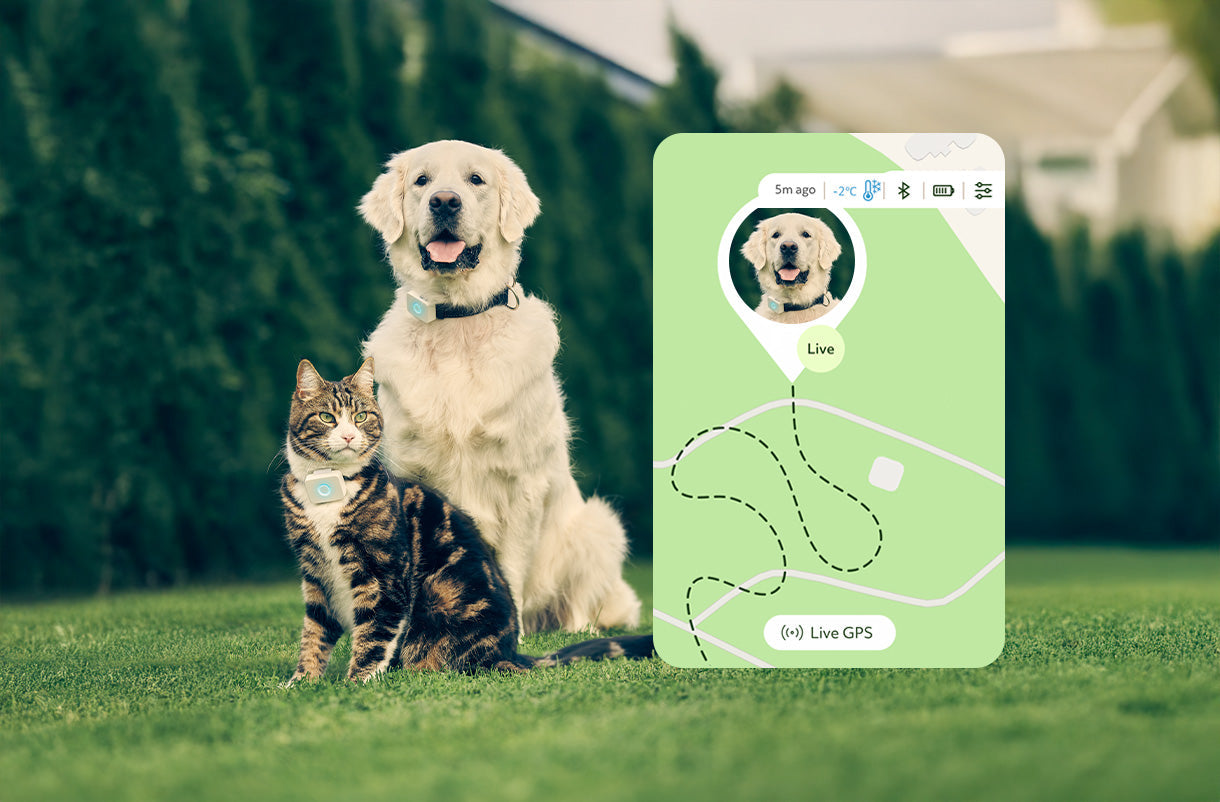
In short, it means your dog wears a small, lightweight tracker—either on their collar or harness. This tracker "talks" to satellites in space to determine exactly where your dog is and sends that information directly to an app on your phone.
For us dog owners, this means an end to the guesswork. In the app, you can:
- See your dog’s exact position in real-time.
- Follow where your dog has been throughout the day.
- Find your dog in seconds if they suddenly decide to follow an exciting scent into the woods.
How does the technology work in practice?
We like to call ourselves "translators" of technology because it shouldn't be complicated. A GPS dog tracker mainly consists of two parts that need to work together:
- The GPS Receiver: This listens for signals from satellites to calculate the coordinates.
- The Mobile Network: Once the tracker knows where it is, it uses the mobile network to "call home" to your app and relay that position to you.
This is where we at Lildog have focused much of our energy. For you to receive a position quickly, the tracker relies on good coverage. By using modern technologies like NB-IoT and LTE-M, the tracker works better over larger areas and uses significantly less power than older solutions.
When is a GPS tracker most valuable?
A tracker doesn't replace good recall training, but it is a fantastic safety net in situations like:
- The Young Dog: When curiosity is greater than obedience.
- Hiking in Nature: In vast or difficult terrain where a dog can easily slip out of sight.
- Scary Noises: If a dog gets spooked by thunder or fireworks and runs off in a panic.
- New Places: When you are visiting friends or on holiday and the dog isn't familiar with the area.
Is it safe for my dog?
This is a question we often get, and the answer is a firm yes. A GPS tracker emits signals similar to a mobile phone or a Wi-Fi router, but with much lower power and only in short intervals. All approved trackers in Europe follow strict limit values to ensure it is completely safe for your best friend to wear the device every single day.
A few things to keep in mind
No technology is magic, and there are a few things to know to get the best experience:
- Coverage: Just like with your phone, deep valleys or very dense buildings can slightly affect the signal.
- Battery Life: The more often you ask the tracker to update its position, the more power it uses.
- A Safety Tool: A GPS dog tracker is a supplement to responsible dog ownership, not a replacement for a lead or supervision.
Conclusion: Is it worth it?
For most dog owners, GPS is about one thing: Peace of mind. Knowing that you always have the ability to find your dog if the unthinkable happens makes walks more enjoyable and daily life less stressful.
At Lildog, we are passionate about making the bond between you and your dog even more secure. Do you have questions about how tracking works for your specific breed or area? We are here to help!
Share:
GPS Dog Tracker: Do You Really Need It During Leash Laws?
Dogs on Norway Day May 17th: 7 tips for a safe and stress-free celebration