
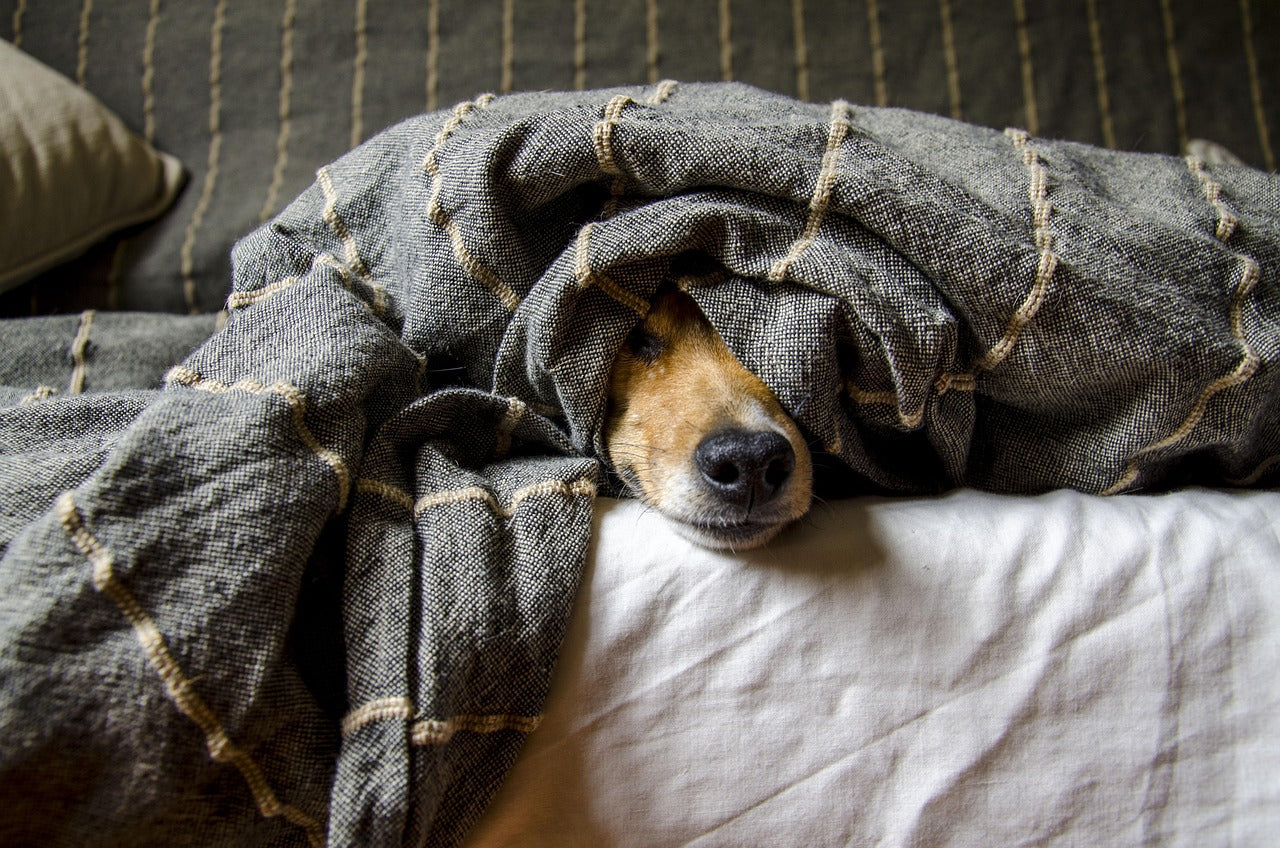
Dog Home Alone? 12 Signs of Separation Anxiety and How to Help
Does your dog bark when left home alone? Does it howl, destroy furniture, or seem stressed even before you leave the house? If so, separation anxiety may be the cause. Many dog owners assume their dog is being stubborn or disobedient, but in reality the behavior is often driven by fear, stress, and insecurity.
In this guide, you'll learn what separation anxiety in dogs is, how to recognize the symptoms, how to tell the difference between anxiety and boredom, how long a dog can safely stay home alone, and what steps can help your dog become more comfortable on its own.
What Is Separation Anxiety in Dogs?
Separation anxiety is an emotional response that occurs when a dog becomes distressed after being separated from its owner or a person it is strongly attached to. For dogs with separation anxiety, being left alone can feel frightening and overwhelming.
Some dogs only react once the door closes. Others begin to show signs of stress as soon as they notice their owner putting on shoes, picking up keys, or getting ready to leave.
A dog suffering from separation anxiety is not being spiteful or difficult. When it chews furniture, scratches doors, or barks excessively, it is usually trying to cope with fear and uncertainty.
12 Signs of Separation Anxiety in Dogs
Not every barking episode means your dog has separation anxiety. However, if several of the following signs appear when your dog is left alone, anxiety may be involved.
- Following you constantly around the house
- Becoming anxious when you prepare to leave
- Barking, whining, or howling when left alone
- Destroying furniture or household items
- Scratching at doors or windows
- Urinating or defecating indoors despite being house-trained
- Refusing food or treats when alone
- Excessive panting or drooling
- Pacing and restlessness
- Attempting to escape
- Over-the-top excitement when you return home
- Taking a long time to calm down afterward
If you're unsure whether your dog is experiencing separation anxiety, consider using a camera to monitor its behavior while you're away.
Separation Anxiety or Boredom – How to Tell the Difference
Many dog owners mistake boredom for separation anxiety. Both can lead to destructive behavior, barking, and restlessness, but the underlying causes are very different.
| Separation Anxiety | Boredom or Understimulation |
|---|---|
| Starts shortly after the owner leaves | Often begins later |
| Fear and panic | Frustration and excess energy |
| May refuse food | Usually enjoys treats and toys |
| Continuous barking or howling | More occasional activity |
| May injure itself trying to escape | Typically destroys items for entertainment |
The distinction matters. A bored dog needs more exercise and mental stimulation. A dog with separation anxiety needs confidence-building and structured training.
Common Causes of Separation Anxiety in Dogs
Separation anxiety can develop for several reasons. Some dogs are naturally more sensitive than others, while others develop anxiety after major changes in their lives.
- Lack of gradual home-alone training during puppyhood
- Sudden changes in daily routines
- Moving to a new home
- Rehoming or changes in ownership
- Long periods of constant companionship followed by extended time alone
- Loss of a family member or another pet
- Lack of predictable routines and structure
For some dogs, separation anxiety develops gradually over time. For others, it appears suddenly after a stressful event.
The important thing to remember is that the behavior has a cause. Your dog is not trying to be difficult—it is responding to stress, uncertainty, and fear.
Which Dogs Are Most at Risk of Separation Anxiety?
Any dog can develop separation anxiety, but some groups of dogs appear to be more vulnerable than others.
- Puppies and young dogs with little experience being alone
- Rescue dogs and rehomed dogs
- Dogs with previous trauma or instability
- Companion breeds that are highly people-oriented
- Dogs with strong pack instincts
- Dogs experiencing major lifestyle changes
Many family dogs that thrive on human interaction can be particularly sensitive to being left alone. This includes breeds such as Labrador Retrievers, Cavalier King Charles Spaniels, Bichon Havanese, and many other companion breeds.
This does not mean these breeds will automatically develop separation anxiety. It simply highlights the importance of early socialization and positive home-alone training.
Can Puppies Develop Separation Anxiety?
Yes. Puppies can show strong signs of distress when left alone. However, it is important to remember that young puppies naturally seek comfort and security from their family.
A puppy that cries when left alone is not necessarily suffering from separation anxiety. The problem develops when the puppy never learns that being alone is safe, or when negative experiences create fear around separation.
For this reason, home-alone training should begin early and progress gradually.
- Start with only a few seconds or minutes alone
- Increase the duration slowly over time
- Avoid leaving young puppies alone for long periods
- Reward calm and relaxed behavior
- Keep departures and arrivals low-key
The goal is to teach your puppy that people leaving the house is normal—and that they always come back.
How Long Can a Dog Stay Home Alone?
One of the most common questions dog owners ask is how long a dog can safely stay home alone. The answer depends on the dog's age, health, personality, and training.
- Puppies: should only be left alone for short periods
- Young dogs: require gradual training and supervision
- Adult dogs: many can comfortably handle 4–8 hours alone
- Senior dogs: may need more frequent bathroom breaks and support
- Dogs with separation anxiety: may struggle after only a few minutes
The most important factor is not simply the number of hours alone, but how the dog feels during that time. A relaxed dog will rest and sleep. A dog with separation anxiety may spend the entire time pacing, barking, or panicking.
If your dog shows clear signs of distress, the training plan should be adjusted and built up more gradually.
How to Train Your Dog to Stay Home Alone
The most effective way to address separation anxiety is through gradual and structured training. The goal is to teach your dog that your absence is safe and temporary.
- Start with very short absences. Leave the room for a few seconds and return before your dog becomes anxious.
- Increase the duration gradually. Move from seconds to minutes and eventually longer periods.
- Keep departures calm. Avoid emotional goodbyes that make leaving seem like a major event.
- Stay relaxed when you return. Greet your dog calmly and avoid creating excessive excitement.
- Create a safe resting area. A comfortable bed or designated quiet space can help your dog relax.
- Provide physical and mental exercise beforehand. Walks, scent work, and enrichment activities can make relaxation easier.
- Offer chew items or enrichment toys. Many dogs settle more easily when they have something enjoyable to focus on.
- Use a camera to monitor progress. This allows you to see what your dog actually does while you're away.
- Take small steps. Progress is often faster when you avoid pushing your dog beyond its comfort zone.
- Stay consistent. Regular practice builds confidence and long-term success.
For dogs with severe separation anxiety, the process may take weeks or even months. Patience, consistency, and realistic expectations are essential.
With the right approach, many dogs make significant progress and learn to remain calm and comfortable when left alone.
5 Common Mistakes That Can Make Separation Anxiety Worse
1. Leaving Your Dog Alone for Too Long Too Soon
Many owners increase home-alone time too quickly. If your dog repeatedly experiences panic while alone, it does not learn confidence—it learns that being left alone is frightening.
2. Emotional Goodbyes
Lengthy, emotional farewells can signal to your dog that something important or worrying is about to happen. Calm, brief departures are usually far more helpful.
3. Punishing Your Dog When You Return
If your dog has chewed furniture or had an accident indoors, punishment will not solve the problem. Dogs cannot connect a punishment hours later with their previous behavior. Instead, punishment may increase anxiety.
4. Not Providing Enough Exercise Before Leaving
A dog that is full of energy, stress, or frustration will often struggle to relax alone. Physical exercise and mental enrichment can make a significant difference.
5. Inconsistent Routines
Dogs thrive on predictability. Regular feeding times, walks, rest periods, and training sessions help create a sense of security and stability.
Helpful Tools That Can Support Home-Alone Training
While no product can cure separation anxiety by itself, some tools may help support your training efforts and make the environment more comfortable for your dog.
- Pet cameras: Allow you to monitor your dog's behavior while you're away
- Calming music or white noise: Can reduce the impact of outside sounds
- Pheromone diffusers: May help some dogs feel more relaxed
- A safe resting area: A familiar bed and quiet space can provide comfort
- Enrichment toys and chew items: Useful for dogs that are willing to eat and play when alone
- GPS trackers and activity monitors: Can provide insights into movement patterns and daily activity levels
Remember that these tools are only supportive aids. Lasting improvement comes from gradual training, patience, and helping your dog build confidence.
When Should You Seek Professional Help?
Mild cases of separation anxiety can often improve with consistent training at home. More severe cases may require professional support.
Consider contacting a veterinarian or qualified canine behavior professional if:
- Your dog injures itself while trying to escape
- Your dog barks, howls, or cries continuously for long periods
- Your dog cannot tolerate being alone at all
- The problem becomes worse despite training efforts
- Your dog shows severe panic responses
- You suspect pain, illness, or another medical issue may be contributing
If separation anxiety appears suddenly in an adult dog that previously handled being alone without difficulty, a veterinary examination is recommended to rule out medical causes.
Frequently Asked Questions About Separation Anxiety in Dogs
Why does my dog bark when left alone?
Barking may be caused by fear, anxiety, frustration, boredom, or a combination of factors. If barking begins shortly after you leave and continues for extended periods, separation anxiety may be involved.
Why does my dog howl when I leave?
Howling is often an attempt to reconnect with a missing family member. Many anxious dogs use vocalization as a response to stress and uncertainty.
Why does my dog have accidents indoors when alone?
Stress and anxiety can cause even house-trained dogs to urinate or defecate indoors. Medical conditions should also be considered and ruled out by a veterinarian.
Can separation anxiety go away on its own?
Mild insecurity may improve as a dog matures. True separation anxiety rarely disappears without targeted training and behavior modification.
How long does it take to overcome separation anxiety?
Every dog is different. Some improve within a few weeks, while others require several months of consistent training and professional guidance.
Can adult dogs learn to stay home alone?
Yes. Adult dogs can successfully learn to stay alone, although progress depends on their history, personality, and anxiety level.
Would getting a second dog help?
Not necessarily. If your dog's anxiety is focused on being separated from you, another dog may not solve the problem and could even develop similar behaviors.
Is separation anxiety common in puppies?
Puppies often dislike being left alone at first, but this does not automatically mean they have separation anxiety. Gradual training is important for building confidence.
Should I use a crate for a dog with separation anxiety?
Some dogs find crates comforting, while others become more distressed when confined. The dog's individual response should guide the decision.
When should I contact a veterinarian?
You should consult a veterinarian if your dog experiences severe panic, self-injury, sudden behavioral changes, indoor accidents, or fails to improve despite training.
Share:
Havanese Dog – Temperament, Size, Lifespan & Grooming Guide
Leonberger: Complete Breed Guide to the Gentle Giant