
50,000+ units sold 🎉

Husky Breeds – A Complete Guide to Northern Dogs

What exactly is a husky? In this guide you’ll get an overview of the most popular husky‑type dogs – from the Siberian Husky to the Alaskan Malamute, Tamaskan and more. We explore their origins, personalities, typical uses and needs. Perfect for anyone considering an active, wolf‑like companion.

Siberian Husky – the original with the wolf’s gaze

The Siberian Husky is perhaps the most famous of all husky breeds. It was developed in Siberia by the Chukchi people and later brought to Alaska. Known for its striking appearance and incredible stamina, it remains a symbol of adventure and freedom.

  • Almond‑shaped eyes – often blue, brown or one of each
  • Medium size with a dense, weather‑resistant double coat
  • Independent yet friendly personality
  • Requires plenty of exercise and mental stimulation
Siberian Husky standing in snow

Alaskan Malamute – the powerhouse of the Arctic

The Alaskan Malamute is larger and stronger than the Siberian Husky. It was bred to pull heavy sleds across long distances in harsh polar conditions and is one of the oldest Arctic working breeds.

  • Large, muscular build with a broad chest
  • Thick double coat and deep brown eyes
  • Strong‑willed but loyal and affectionate
  • Best suited for active owners with space and time
Alaskan Malamute in the snow

Alaskan Husky – the performance sled dog

The Alaskan Husky is not a registered breed but a type of mixed‑breed dog developed for speed and endurance in sled racing. Bred purely for performance, not looks, it remains the athlete of the husky world.

  • Wide variation in appearance and size
  • Exceptionally energetic and trainable
  • Commonly used in professional sled dog teams
  • Thrives with experienced, highly active owners
Alaskan Husky sled dog running

Tamaskan – the wolf look‑alike without wolf DNA

The Tamaskan is a modern Nordic‑type dog with Finnish roots. Despite its wolf‑like appearance, it contains no wild blood. It’s a blend of Siberian Husky, Alaskan Malamute and German Shepherd, bred to look majestic yet remain gentle.

  • Large, wolf‑like body and expressive face
  • Friendly, intelligent and eager to train
  • Strong pack instincts – dislikes being left alone
  • Popular as an active family and hiking dog
Tamaskan dog with wolf-like appearance

Utonagan – the gentle polar dog with a silky coat

The Utonagan was developed in the UK to resemble a wolf while keeping a calm and sociable temperament. Closely related to the Tamaskan and other Arctic breeds, it’s known for its beauty and loyalty.

  • Long, luxurious coat and balanced frame
  • Less demanding than the Alaskan or Siberian Husky
  • Affectionate and social – loves family life
  • Excellent as a companion for long walks and outdoor life
Utonagan husky type with long fur

Prey drive and hunting instinct in huskies

Most husky‑type dogs have a strong natural prey drive. They may react quickly to movement or scent from smaller animals – a legacy of their primitive origins. This is especially true for Siberian and Alaskan Huskies, which were bred for independence and survival in the wilderness.

Because of this, many huskies should not be allowed off‑leash unless in a secure area. They can coexist with cats or smaller pets only after careful training and gradual introductions. Every dog is unique, but this instinct is something every potential husky owner should consider.

Comparing the different husky types

Breed Size Activity Level Key Traits
Siberian Husky Medium Very high Independent, social, energetic
Alaskan Malamute Large High Strong, loyal, stubborn
Alaskan Husky Varies Extremely high Fast, enduring, demanding
Tamaskan Large High Wolf‑look, loyal, active
Utonagan Medium–large Moderate Calm, family‑friendly, social

In summary: Huskies are wonderful companions for people who want an active, intelligent and loyal dog – but they demand time, patience and lots of exercise. Choose your husky type based on lifestyle, and make sure your dog gets to use both its body and its mind.

Is a Husky the Right Dog for You?

Huskies are best suited to active owners who enjoy hiking, outdoor adventures and regular exercise. This is not a breed that thrives on short walks around the block and long periods spent alone indoors.

  • Requires a significant amount of daily exercise
  • Needs mental stimulation and consistent routines
  • Can be challenging for first-time dog owners
  • Thrives with owners who have time, patience and an active lifestyle
  • Often has a strong prey drive and cannot always be trusted off-leash

For the right owner, a Husky can be an incredible companion, family dog and adventure partner. For the wrong owner, it may become frustrated, destructive and difficult to manage.

Size and Weight of Different Husky Types

Type Approximate Height Approximate Weight
Siberian Husky 50–60 cm (20–24 in) 16–27 kg (35–60 lbs)
Alaskan Malamute 58–64 cm (23–25 in) 34–45 kg (75–100 lbs)
Alaskan Husky Varies considerably Varies considerably
Tamaskan 60–70 cm (24–28 in) 25–40 kg (55–88 lbs)
Utonagan 58–70 cm (23–28 in) 25–45 kg (55–99 lbs)

How Long Does a Husky Live?

Lifespan varies between Husky types, but many live between 10 and 15 years. Siberian Huskies typically live around 12–15 years, while larger northern breeds such as the Alaskan Malamute often have a lifespan of around 10–14 years.

A balanced diet, regular exercise, routine veterinary care and maintaining a healthy weight all contribute significantly to a long and healthy life.

Do Huskies Shed a Lot?

Yes. Huskies are heavy shedders. Their thick double coat protects them from snow, wind and freezing temperatures, but it also requires regular maintenance throughout the year.

  • Frequent brushing is recommended, especially during seasonal shedding
  • They can lose large amounts of undercoat in spring and autumn
  • Regular bathing is usually unnecessary
  • The coat should not be shaved, as it helps regulate temperature in both hot and cold weather

If you're looking for a dog that leaves little hair around the home, a Husky is probably not the best choice. For active owners who don't mind regular grooming, coat maintenance is manageable with the right routine.

Common Health Problems in Huskies

Huskies are generally healthy and resilient dogs, but like all breeds they can be prone to certain inherited conditions. Eye problems, joint issues and skin conditions are among the most common concerns.

  • Eye disorders such as cataracts and inherited eye diseases
  • Hip dysplasia in some bloodlines
  • Skin sensitivities and allergies
  • Epilepsy in certain individuals

Always choose a responsible breeder who performs appropriate health testing. This reduces the risk of hereditary diseases and provides valuable insight into a puppy's background.

How Much Does a Husky Cost?

The price of a Husky varies depending on breed, bloodline, breeder reputation and location. A puppy from a reputable breeder can cost several thousand dollars or euros, but the purchase price is only the beginning.

You should also budget for:

  • High-quality dog food
  • Veterinary care and vaccinations
  • Pet insurance
  • Equipment for walking, training and outdoor activities
  • Training classes and enrichment activities

Owning a Husky is not only a financial commitment but also a significant investment of time, energy and dedication.

Husky vs Alaskan Malamute – What's the Difference?

Siberian Huskies and Alaskan Malamutes are often confused, but they are quite different breeds. Huskies are generally lighter, faster and more agile, while Malamutes are larger, stronger and bred for pulling heavier loads over long distances.

Characteristic Siberian Husky Alaskan Malamute
Size Medium Large
Purpose Speed and endurance Heavy pulling power
Energy Level Very high High
Temperament Social, independent, energetic Loyal, powerful, stubborn

In short, the Husky is generally faster and more athletic, while the Malamute is stronger and more powerful. Both breeds require experienced, active owners and plenty of daily exercise.

Frequently Asked Questions About Huskies

Are Huskies good family dogs?

Yes. Huskies can make excellent family dogs for active households that can provide enough exercise, training and attention. They are generally friendly and social but can become challenging if bored or under-stimulated.

How much exercise does a Husky need?

Huskies require a large amount of daily exercise. Long walks, running, hiking, pulling activities and mental enrichment are important for their wellbeing.

Can a Husky stay home alone?

Some Huskies can learn to stay alone for moderate periods, but many dislike extended isolation. They are social dogs and may become destructive or vocal if left alone too often.

Can Huskies be trusted off leash?

Many Huskies have a strong prey drive and should not be trusted off leash in unfenced areas. Even well-trained dogs may ignore recall commands if they spot wildlife or small animals.

Do Huskies shed a lot?

Yes. Huskies shed heavily, especially during seasonal coat changes in spring and autumn. Regular brushing helps manage loose hair and keeps the coat healthy.

Are Huskies difficult to train?

Huskies are intelligent but highly independent. They learn quickly but are not always eager to please. Consistent training, patience and positive reinforcement are essential.

How long do Huskies live?

Siberian Huskies typically live around 12–15 years, while larger northern breeds such as Alaskan Malamutes often live 10–14 years. Genetics, diet and lifestyle all influence lifespan.

Are Huskies suitable for first-time dog owners?

Huskies can be challenging for first-time owners. Success requires research, commitment and a clear understanding of the breed's exercise, training and grooming needs.

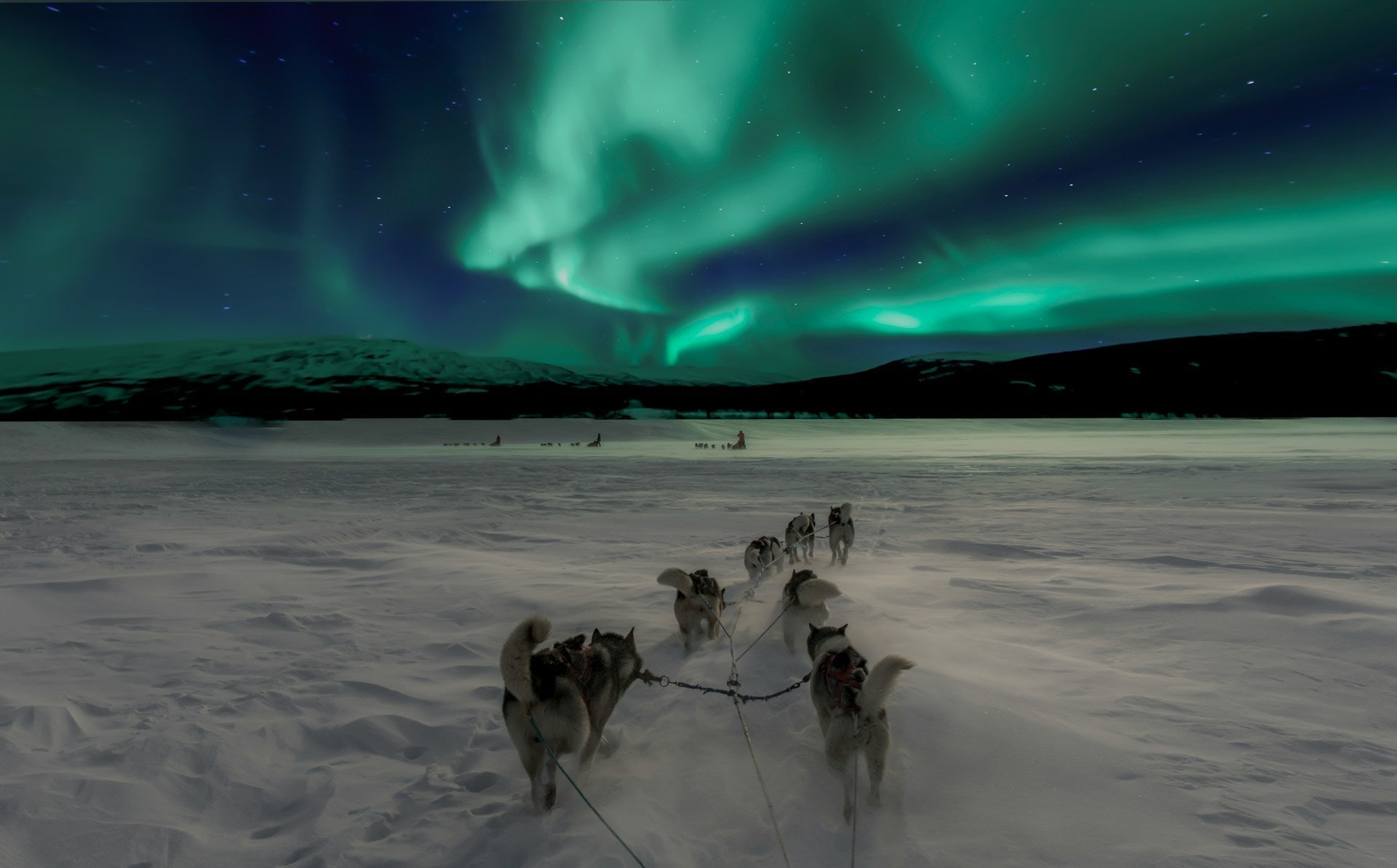
Follow @snostormhusky and her pack on their mushing adventures through the Norwegian wilderness:

Latest Stories

This section doesn’t currently include any content. Add content to this section using the sidebar.