
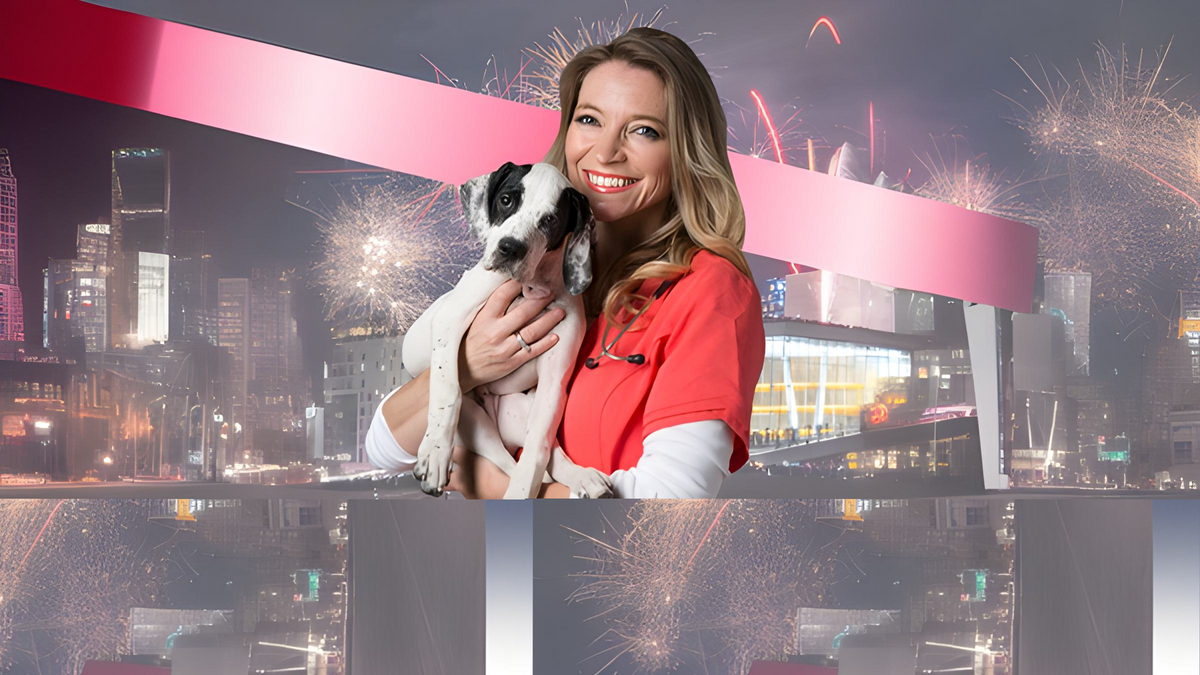
New Year’s Eve is full of fireworks, bangs, bright flashes and unpredictable noise. For many dogs, it’s not “a bit uncomfortable” — it can be genuinely frightening. As an owner, it’s awful to watch a dog tremble, panic or shut down.
The good news is that there are several practical things you can do to reduce stress and make the night feel safer. Veterinarian Trude Mostue shares her key tips below, combined with clear explanations of why they actually work.
Why do fireworks scare dogs so much?
Dogs hear far better than humans. Firework bangs can feel louder, closer and more intense — and they often come without warning. Add light flashes, vibrations in the ground and an unsettled atmosphere, and it becomes a sensory overload.
Fear of fireworks is not a “training issue”. It’s a normal stress response. Your job isn’t to “fix” your dog in one night — it’s to make them feel safe.
Watch the vet’s tips on video
Veterinarian Trude Mostue shares three simple, practical steps that can make New Year’s Eve safer and calmer for your dog.
1. Create a safe, sheltered room
One of the most effective things you can do is to give your dog a protected space with as little outside input as possible. A basement room, bathroom, hallway or any interior room without windows can work well.
When you reduce visual triggers and dampen sound, your dog’s nervous system has a better chance of settling. Make the room familiar and comfortable — bed, blankets, water, and something that smells like you.
Important: Don’t lock your dog away alone if they’re not used to it. Safety is often as much about your presence as it is about physical shielding.
2. Use music or steady background sound
Silence makes every bang feel sharper. Calm music, TV, or a steady “everyday” background sound can soften the contrast and make the fireworks less dominant.
Choose something consistent — avoid heavy bass or sudden volume changes. Gentle playlists, quiet radio or natural soundscapes can work well.
The goal is not to drown fireworks out completely, but to make them less intense and less attention-grabbing.
3. Take a long walk earlier in the day
A long, calm walk earlier on New Year’s Eve can make a real difference. A dog that’s physically and mentally satisfied often has better capacity to handle stress later.
Go out before fireworks usually start and avoid areas where people set off early fireworks. Think “steady and relaxing”, not chaotic and overstimulating.
4. Stay calm — your dog reads you
Dogs are experts at reading body language and mood. If you’re tense, frantic or overly worried, your dog can interpret that as confirmation that something is wrong.
Act as normal as you can. You can absolutely comfort your dog — just do it calmly. Quiet reassurance, a gentle touch, and your steady presence can help more than dramatic “oh no” energy.
5. Don’t force your dog outside during fireworks
If your dog refuses to go out while fireworks are active, respect that. Don’t drag them into a situation they clearly find terrifying.
Plan bathroom breaks early and again later when it’s quiet. For some dogs, it’s safest to stay inside during peak fireworks hours.
Extra expert tips that often help
- Close curtains and shutters: it reduces flashes and “outside movement” that can raise arousal.
- Create a den-like space: a crate (if your dog already likes it) or a blanket fort can feel protective.
- Offer long-lasting chewing: a chew or a filled food toy can provide calming, repetitive activity.
- Use safe scent cues: a worn T-shirt from you can be grounding for some dogs.
- Safety first: keep doors closed, use a leash for late walks, and double-check ID tags. Dogs can bolt when scared.
Note: If your dog has severe panic, talk to your vet well before New Year’s Eve. For some dogs, a structured plan (and sometimes medication) is the kindest choice.
Veterinarian Trude Mostue’s core point is simple: preparation matters most. When you plan ahead, create safe conditions, and adjust the evening to your dog’s needs, you can reduce fear and stress significantly.
FAQ: New Year’s Eve and dogs
Should I comfort my dog during fireworks, or ignore them?
Comforting is absolutely fine. Calm reassurance can help. Just avoid frantic behavior — stay steady and relaxed so your dog doesn’t interpret your reaction as “danger confirmed”.
Is it a good idea to “expose” my dog to fireworks to get them used to it?
No. Forced exposure can make fear worse. Desensitization should be gradual, controlled, and ideally started weeks ahead using sound training at a safe level — not during real fireworks.
Can I walk my dog during fireworks?
It’s usually better to walk earlier, before fireworks start. If you must go out, use a leash (and ideally a harness) and avoid busy areas. Never risk an off-leash moment on New Year’s Eve.
What if my dog is extremely panicked every year?
Contact your vet in advance. Severe fear is a welfare issue, not “bad behavior”. Your vet can help you build a plan and discuss options that reduce suffering.
How can I make the home environment calmer?
Close curtains, choose a quiet room, add steady background sound, and create a comfortable “safe zone” with bed/blankets and water. Your calm presence is also a major factor.
Summary
New Year’s Eve doesn’t have to be a nightmare for your dog. With a few simple, thoughtful measures, you can make the night safer, calmer and more comfortable — for both of you.
Remember: fear is not disobedience. It’s a natural response. Your most important role is to be a steady, safe anchor when your dog needs you.
Share:
Great Dane – The World’s Biggest Dog? Size, Weight & Breed Guide
Saint Bernard Dog – Everything About Size, Puppies, Health and Temperament