
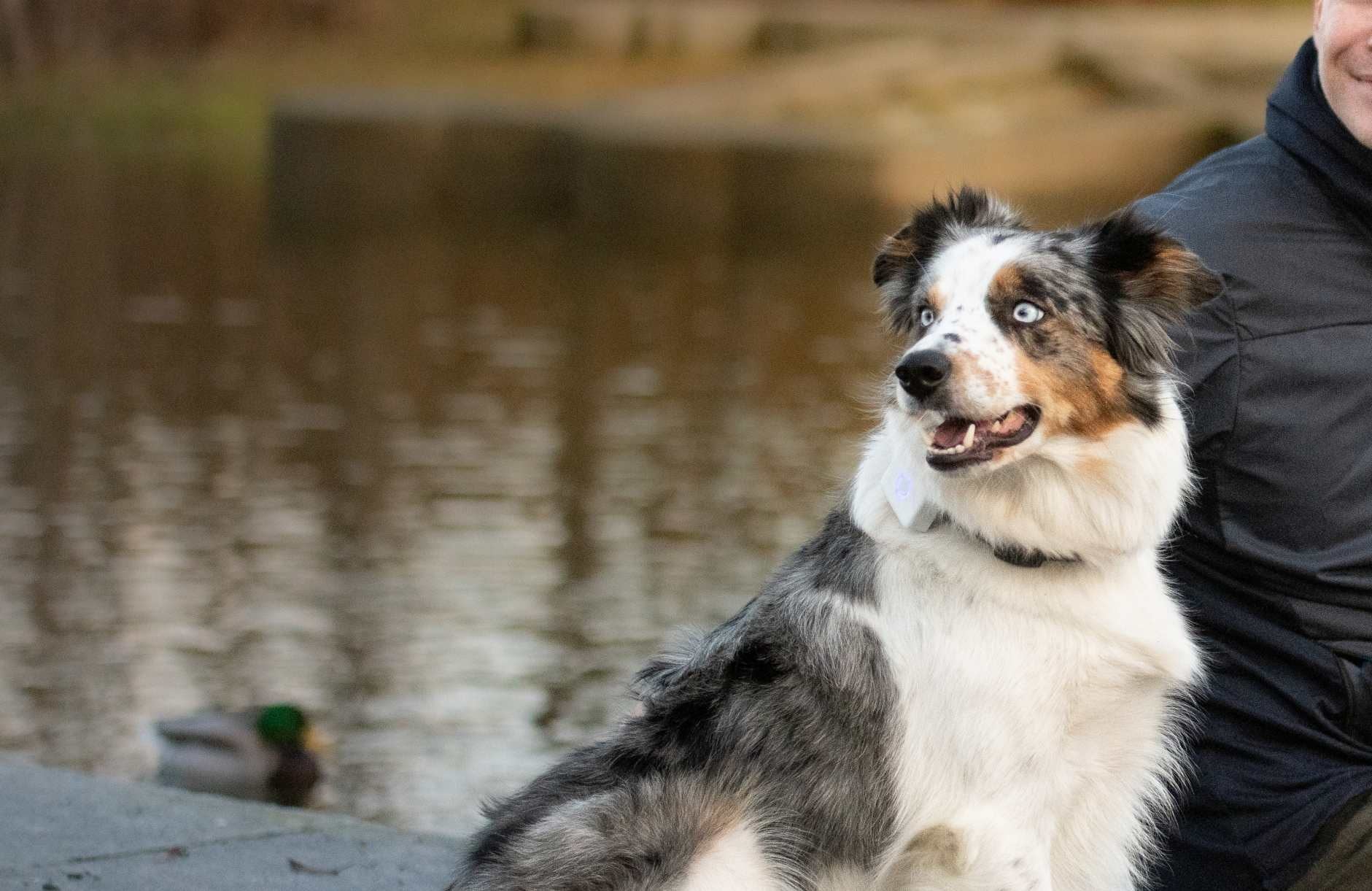
Australian Shepherd – Price, Size, Temperament and Everything You Need to Know
The Australian Shepherd is an intelligent, energetic and loyal dog breed known for its striking eyes, beautiful coat colours and incredible work ethic. It can be an outstanding hiking companion, training partner and family dog — but only for owners who genuinely have the time, energy and commitment required by a highly active breed.
In this guide, you'll learn everything about the Australian Shepherd: price, size, weight, colours, eye colour, tail length, personality, puppies, exercise requirements, alone-time training, health, MDR1, merle genetics and the differences between the Australian Shepherd and the Mini American Shepherd.
Australian Shepherd at a Glance
The Australian Shepherd is a medium-sized herding dog with exceptional intelligence, strong working instincts and remarkable trainability. Despite its name, the breed did not originate in Australia. It was developed in the United States as a versatile working dog for ranches and livestock operations.
The breed is known for being highly attentive, eager to learn and deeply loyal to its family. Australian Shepherds thrive when they can participate in daily activities, training sessions and outdoor adventures alongside their owners.
However, this is not a breed for everyone. Australian Shepherds need far more than a few daily walks. They require mental challenges, meaningful tasks and an owner capable of providing structure, consistency and engagement.
Australian Shepherd Facts
| Breed Name | Australian Shepherd |
| Origin | United States |
| FCI Group | Group 1 – Sheepdogs and Cattle Dogs |
| Size | Medium |
| Height | Approximately 18–23 inches (46–58 cm) |
| Weight | Approximately 35–70 lbs (16–32 kg) |
| Lifespan | Approximately 12–15 years |
| Activity Level | Very High |
| Shedding | Moderate to Heavy |
| Best For | Active owners interested in training and dog sports |
History and Origin
The name Australian Shepherd is somewhat misleading because the breed was actually developed in the United States. It emerged during the 19th century, particularly in the western states where ranching and livestock management required highly capable herding dogs.
The breed's name likely comes from Basque shepherds who arrived in America with sheep flocks imported through Australia. The dogs accompanying these shepherds were later refined and developed in the United States, eventually becoming known as Australian Shepherds.
The goal was to create a working dog capable of handling long days, rugged terrain and independent decision-making while herding livestock. Australian Shepherds needed to be agile, intelligent, responsive and capable of thinking for themselves when necessary.
Today, the breed still excels as a herding dog but is equally successful in agility, obedience, rally, tracking, search work, frisbee competitions, search-and-rescue operations and active family homes.

Size and Weight
The Australian Shepherd is a medium-sized dog with an athletic and well-balanced build. It combines strength, endurance and agility, making it ideal for work, sports and outdoor activities.
Typical size measurements include:
- Male: approximately 20–23 inches (51–58 cm)
- Female: approximately 18–21 inches (46–53 cm)
- Weight: approximately 35–70 lbs (16–32 kg)
- Build: muscular, agile and balanced
Size may vary between bloodlines. Some dogs are lighter and more athletic, while others are more heavily built. Regardless of appearance, sound structure and healthy movement are most important.
Appearance and Build
The Australian Shepherd has an alert, intelligent and often intense expression. The breed features a medium-length double coat, strong body structure and natural athleticism.
The body should be slightly longer than tall, with good muscle development and fluid movement. This is a dog built for function and performance rather than appearance alone.
Typical breed characteristics include:
- Medium-length weather-resistant coat
- Dense undercoat
- Athletic and agile build
- Alert and focused expression
- Wide variety of eye colours
- Natural bobtail or full-length tail
Australian Shepherd Colours
The Australian Shepherd is famous for its beautiful and diverse coat colours. While these colours make the breed highly recognizable, appearance should never be valued above health, temperament and responsible breeding practices.
The four accepted Australian Shepherd colours are:
- Blue Merle: a marbled combination of grey, black and silver, often with white and copper markings
- Red Merle: a marbled combination of red, cream and lighter shades, often with white and copper markings
- Black Tri: black base coat with white and copper markings
- Red Tri: red base coat with white and copper markings
The Blue Merle Australian Shepherd is perhaps the most recognizable colour variation, but Red Merle, Black Tri and Red Tri are equally beautiful and equally representative of the breed standard.
Merle colouring is caused by genetics that affect pigment distribution throughout the coat. These same genes can also influence eye colour, which explains why blue eyes and multi-coloured eyes are commonly seen in merle Australian Shepherds.
Australian Shepherd Eyes
The eyes are one of the breed's most distinctive features. Many people notice an Australian Shepherd's intense gaze before anything else.
Australian Shepherds can have a wide variety of eye colours, including:
- Blue eyes
- Brown eyes
- Amber eyes
- One blue and one brown eye
- Marbled or multi-coloured eyes
When a dog has two different eye colours, the condition is known as heterochromia. This trait is relatively common in Australian Shepherds, particularly merle-coloured dogs.
Blue eyes are therefore not unusual in the breed. However, eye colour should never be the primary reason for choosing a puppy. Health, temperament and a responsible breeder are far more important than any cosmetic feature.
Why Do Some Australian Shepherds Have Short Tails?
Many Australian Shepherds are born with a naturally short tail, commonly referred to as a natural bobtail. This means the dog is genetically born with a shortened tail rather than having it surgically altered.
Other Australian Shepherds are born with a full-length tail. Both variations occur naturally within the breed, and tail length can vary significantly from one individual to another.
Historically, tail docking was common in some countries, particularly among working dogs. Today, docking is prohibited or heavily restricted in many parts of Europe and several other regions. A short tail in a responsibly bred Australian Shepherd should therefore be natural rather than artificially created.
When purchasing a puppy, it is worth asking the breeder whether the dog was born with a natural bobtail or a full-length tail. Responsible breeders should be able to explain the genetics and background without hesitation.
Personality and Intelligence
The Australian Shepherd is widely regarded as one of the most intelligent dog breeds in the world. It learns quickly, pays close attention to its surroundings and possesses exceptional problem-solving abilities. Many Australian Shepherds understand new commands after only a few repetitions.
The breed was developed to work closely alongside humans throughout long working days. As a result, Australian Shepherds are highly attentive to their owners and naturally enjoy having a job to do. Many owners describe them as dogs that constantly monitor everything happening around them.
Typical personality traits include:
- Extremely intelligent and trainable
- Deeply loyal to family members
- Energetic and highly motivated to work
- Alert and observant
- Somewhat reserved around strangers
- Strong desire to cooperate
- Exceptional mental and physical endurance
The breed's intelligence is one of its greatest strengths. At the same time, it is also why Australian Shepherds are not suitable for every household. A bored Australian Shepherd often invents its own entertainment, and owners rarely appreciate those ideas as much as the dog does.
Excessive barking, digging, chewing furniture, pacing and destructive behaviour are often signs that the dog needs more exercise, training or mental stimulation.
Is an Australian Shepherd a Good Family Dog?
Yes — but not necessarily for every family.
An Australian Shepherd can be a wonderful family dog when provided with sufficient exercise, training and engagement. The breed forms strong bonds with family members and generally wants to be involved in everything happening around the home.
Many Australian Shepherds are affectionate, playful and highly devoted to children. However, it is important to remember that this is still a herding breed with strong instincts.
This means some individuals may:
- Attempt to herd children during play
- Nip gently at heels or clothing
- React strongly to fast movement
- Closely monitor unfamiliar visitors
Proper socialization from an early age is therefore extremely important. A well-socialized Australian Shepherd typically grows into a confident, stable and friendly adult dog.
For active families who enjoy hiking, outdoor adventures and training activities, the breed can be an outstanding choice. For families looking for a relaxed couch companion that requires minimal exercise, there are better alternatives.

Australian Shepherd Puppy
An Australian Shepherd puppy is adorable, energetic and incredibly intelligent. It is also a whirlwind of curiosity and enthusiasm that can easily overwhelm inexperienced dog owners.
The puppy stage lays the foundation for the dog's entire future. Early socialization, environmental exposure and positive training are essential.
Key priorities when raising an Australian Shepherd puppy include:
- Meeting different people
- Experiencing a variety of environments
- Becoming comfortable with sounds and new situations
- Learning focus and cooperation
- Developing the ability to relax indoors
- Building confidence when left alone
Many owners make the mistake of focusing entirely on activity. While Australian Shepherd puppies certainly need stimulation, they also need to learn how to switch off and relax. The ability to settle calmly is just as important as the ability to work.

With proper upbringing and consistent training, an Australian Shepherd puppy often develops into a confident, cooperative and highly versatile adult dog.
How Much Does an Australian Shepherd Cost?
The price of an Australian Shepherd puppy varies by breeder and location, but in most English-speaking markets, puppies from reputable breeders typically cost between $1,500 and $3,500 USD.
Factors that influence price include:
- Breeder reputation and experience
- Health testing of parent dogs
- Pedigree and bloodlines
- Local demand for the breed
- Geographic location
The purchase price is only the beginning. During the first year, owners often face additional expenses for:
- Pet insurance
- Veterinary care
- Vaccinations
- Equipment and supplies
- Puppy training classes
- Dog food
- Toys and enrichment products
For many owners, the total cost of the first year significantly exceeds the initial purchase price.
Always choose a breeder based on health, temperament and ethical breeding practices rather than simply looking for the cheapest puppy available.
How Much Exercise Does an Australian Shepherd Need?
The Australian Shepherd is one of the most energetic dog breeds in the world. This is not a dog that will be satisfied with a quick walk around the block.
Most adult Australian Shepherds require at least one to two hours of activity every day, but exercise alone is not enough.
The breed also benefits greatly from:
- Problem-solving activities
- Scent work
- Obedience training
- Tracking
- Agility
- Rally obedience
- Frisbee
- Mental enrichment games
Many Australian Shepherds love:
- Hiking
- Running
- Skiing
- Cycling adventures
- Dog sports
- Livestock herding
Without adequate exercise and mental stimulation, dogs may develop:
- Excessive barking
- Stress
- Hyperactivity
- Destructive behaviour
- Compulsive habits
An Australian Shepherd that receives sufficient physical and mental outlets is often a calm, happy and rewarding companion. An under-stimulated Australian Shepherd can challenge even experienced dog owners.
Can an Australian Shepherd Stay Home Alone?
Yes, Australian Shepherds can learn to stay home alone, but this must be taught gradually and consistently.
The breed is highly social and forms strong attachments to family members. Many individuals struggle with being left alone if they have not received proper independence training from an early age.
Successful alone-time training should include:
- Starting with very short absences
- Gradually increasing duration
- Providing exercise before leaving
- Avoiding emotional departures and arrivals
- Rewarding calm behaviour
An adult Australian Shepherd can often remain alone for a few hours, but the breed is generally not ideal for households where everyone is absent for long workdays without opportunities for exercise or interaction.
If your dog displays signs of separation anxiety such as constant barking, destructive behaviour or severe stress, training should be adjusted early before the problem becomes more difficult to resolve.
Grooming and Shedding
The Australian Shepherd has a medium-length double coat designed to protect the dog from varying weather conditions. The coat consists of a dense undercoat and a protective outer coat that helps regulate body temperature and provides resistance against rain, wind and cold temperatures.
Although the coat is generally easier to maintain than some long-haired breeds, regular grooming is still necessary to keep it healthy and free from mats.
Most Australian Shepherds benefit from:
- Brushing one to three times per week
- More frequent brushing during seasonal shedding periods
- Regular nail trimming
- Routine ear inspections and cleaning
- Teeth brushing several times per week
- Bathing when necessary
Australian Shepherds shed moderately to heavily throughout the year, with particularly heavy shedding during spring and autumn when the undercoat changes seasonally. If you are looking for a dog that sheds very little, this breed may not be the best fit.
With consistent grooming, however, the coat remains attractive, functional and relatively easy to manage.
Health and Common Diseases
The Australian Shepherd is generally considered a healthy and robust breed with an average lifespan of approximately 12–15 years. Like all purebred dogs, however, it can be predisposed to certain inherited health conditions.
Common health concerns include:
- Hip Dysplasia (HD)
- Elbow Dysplasia (ED)
- Epilepsy
- Progressive Retinal Atrophy (PRA)
- Cataracts
- MDR1 Gene Mutation
- Autoimmune Disorders
- Certain Allergies
Responsible breeders perform health testing on breeding dogs to reduce the likelihood of inherited diseases. Whenever purchasing a puppy, you should ask for documentation of relevant health screenings.
Good nutrition, maintaining a healthy weight, regular exercise and routine veterinary care all contribute significantly to a long and healthy life.
MDR1 in Australian Shepherds
One of the most important genetic considerations in the breed is the MDR1 mutation.
MDR1 stands for Multi Drug Resistance 1 and affects how a dog's body processes certain medications. Dogs carrying this mutation may react severely to drugs that are normally safe for other dogs.
Medications that may cause problems include:
- Certain parasite prevention medications
- Some pain medications
- Specific chemotherapy drugs
- Certain sedatives and anesthetics
Fortunately, a simple DNA test can determine whether a dog is clear, a carrier or affected by the mutation. Many reputable Australian Shepherd breeders routinely test breeding dogs for MDR1.
If you own or plan to purchase an Australian Shepherd, knowing your dog's MDR1 status can help veterinarians make safer treatment decisions throughout its life.
Merle Genetics and Double Merle
The merle coat pattern is one of the breed's most recognizable features. Blue Merle and Red Merle Australian Shepherds display the distinctive marbled coat pattern that many people associate with the breed.
However, merle genetics come with important health considerations.
When two merle dogs are bred together, the risk of producing so-called Double Merle puppies increases significantly.
Double Merle dogs are at higher risk for serious health problems, including:
- Vision impairment
- Blindness
- Hearing impairment
- Deafness
- Other developmental abnormalities
For this reason, responsible breeders avoid merle-to-merle breedings.
As a puppy buyer, you should be cautious if a breeder cannot clearly explain their breeding program, health testing procedures and genetic considerations.
No coat colour is more important than the long-term health and wellbeing of the dog.
Mini Australian Shepherd and Mini American Shepherd
Many people search for a "Mini Australian Shepherd," but the officially recognized breed today is called the Mini American Shepherd.
The Mini American Shepherd was developed from smaller Australian Shepherd bloodlines in the United States and shares many characteristics with its larger relative.
Key differences include:
| Characteristic | Australian Shepherd | Mini American Shepherd |
|---|---|---|
| Height | 18–23 inches (46–58 cm) | 13–18 inches (33–46 cm) |
| Weight | 35–70 lbs (16–32 kg) | 18–40 lbs (8–18 kg) |
| Activity Level | Very High | High |
Despite its smaller size, the Mini American Shepherd remains an active working breed that requires substantial exercise and mental stimulation.
Pros and Cons of the Australian Shepherd
Pros
- Exceptionally intelligent
- Highly trainable
- Deeply loyal to family
- Versatile working and sporting dog
- Excellent for dog sports
- Energetic and adventurous companion
- Beautiful coat colours and striking eyes
Cons
- Requires significant daily exercise
- Can become stressed when under-stimulated
- Not ideal for inactive owners
- May be reserved around strangers
- Predisposed to certain inherited health conditions
- Sheds heavily
- Does not enjoy long periods of isolation
Is an Australian Shepherd Right for You?
The Australian Shepherd is best suited for people seeking an active, intelligent and highly engaged companion. This is a breed that thrives on teamwork and excels when given opportunities to use both its body and mind.
An Australian Shepherd may be a great fit if:
- You enjoy hiking, outdoor adventures and an active lifestyle
- You are interested in dog sports
- You enjoy training and teaching new skills
- You want a close bond with your dog
- You have time for daily exercise and mental enrichment
The breed is generally not ideal for people looking for a relaxed dog that is satisfied with short walks and minimal interaction.
If you can provide the physical activity, training and mental stimulation the breed requires, the Australian Shepherd can become one of the most loyal, intelligent and rewarding companions imaginable.
Frequently Asked Questions About Australian Shepherds
How big does an Australian Shepherd get?
Most Australian Shepherds stand between 18 and 23 inches (46–58 cm) tall and weigh between 35 and 70 pounds (16–32 kg).
How much does an Australian Shepherd cost?
Prices from reputable breeders commonly range between $1,500 and $3,500 USD, depending on location and bloodlines.
How long do Australian Shepherds live?
The average lifespan is approximately 12–15 years.
Do Australian Shepherds shed?
Yes. The breed sheds moderately to heavily throughout the year and especially during seasonal coat changes.
Are Australian Shepherds hypoallergenic?
No. Australian Shepherds are not considered a hypoallergenic breed.
Can Australian Shepherds stay home alone?
Yes, but independence training should begin early and be introduced gradually.
Are Australian Shepherds good family dogs?
Yes, particularly for active families willing to provide exercise, training and engagement.
Are Australian Shepherds difficult to train?
No. They are widely considered one of the most trainable and intelligent dog breeds.
How much exercise does an Australian Shepherd need?
Most adults require at least one to two hours of daily exercise along with significant mental stimulation.
Why do some Australian Shepherds have short tails?
Many are naturally born with a bobtail due to genetics.
What does Blue Merle mean?
Blue Merle refers to a coat pattern featuring grey, black and silver marbling.
What does Red Merle mean?
Red Merle is a red-toned variation of the merle coat pattern.
Can Australian Shepherds have blue eyes?
Yes. Blue eyes and heterochromia are relatively common within the breed.
What is MDR1?
A genetic mutation that affects how a dog processes certain medications.
What is the difference between an Australian Shepherd and a Mini American Shepherd?
The Mini American Shepherd is smaller but shares many of the same characteristics and personality traits.
Share:
Staffordshire Bull Terrier – Everything About Size, Puppies, Temperament and Health
Husky Breeds – A Complete Guide to Northern Dogs