
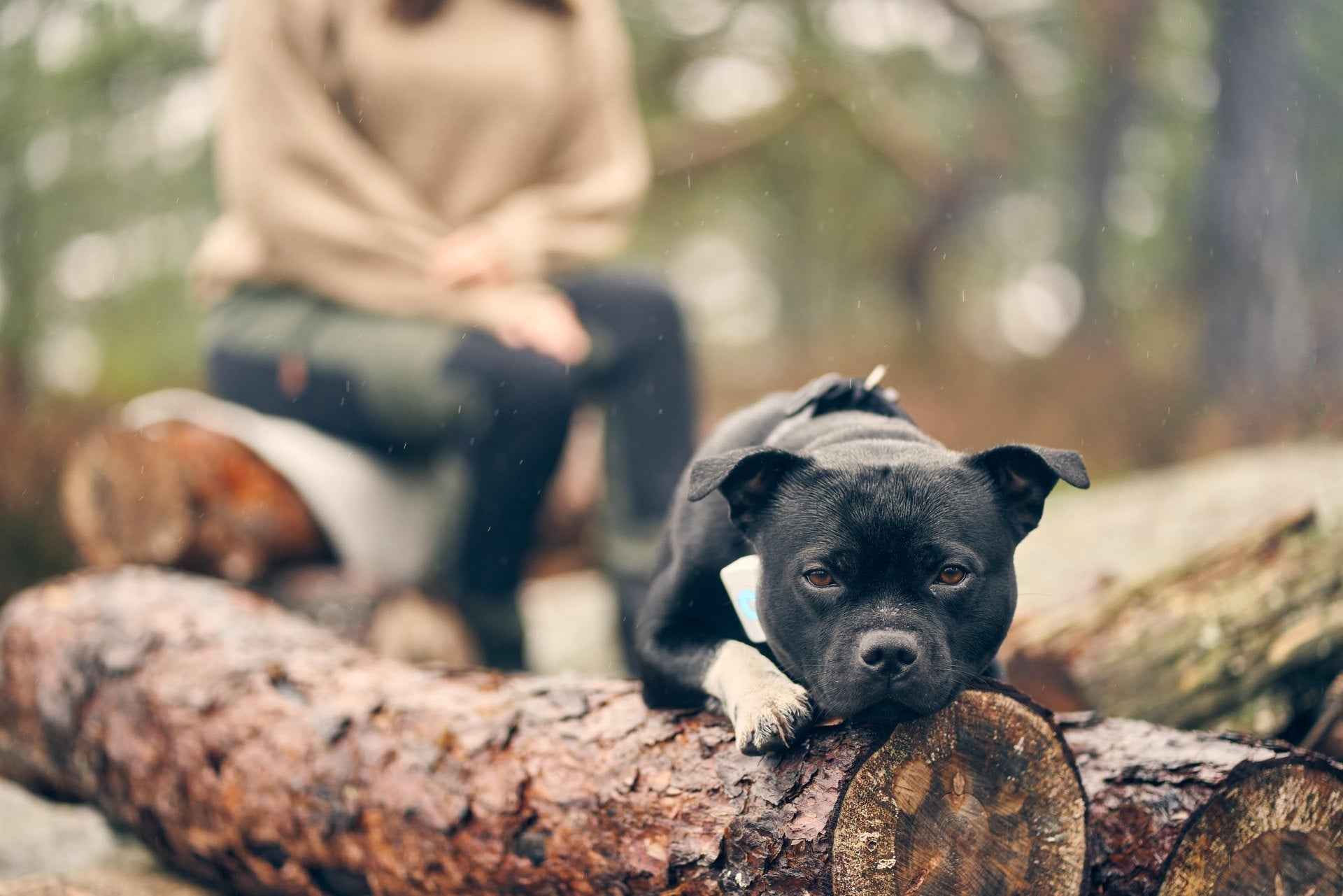
Staffordshire Bull Terrier – Everything About Size, Puppies, Temperament and Health
The Staffordshire Bull Terrier is one of the most misunderstood dog breeds in the world. Behind its muscular build and powerful appearance is a loving, playful and people-oriented dog that forms exceptionally strong bonds with its family. Often described as one of the most loyal companion breeds, the Staffie is happiest when it can be involved in every part of daily life—whether that's joining you on a walk, travelling in the car or relaxing on the sofa.
But how much exercise does a Staffordshire Bull Terrier really need? How does the breed interact with children and other dogs? What health concerns should prospective owners know about, and is this breed suitable for first-time dog owners? In this complete guide, you'll learn everything you need to know about the Staffordshire Bull Terrier.
Staffordshire Bull Terrier Facts
| Country of Origin | England |
| FCI Group | Group 3 – Terriers |
| Height | 35–40 cm (14–16 in) |
| Weight | 11–17 kg (24–37 lbs) |
| Lifespan | 12–14 years |
| Coat | Short and smooth |
| Shedding | Moderate |
| Energy Level | High |
| Family Friendly | Yes |
| Suitable for First-Time Owners | Yes, with proper training and guidance |
The Staffordshire Bull Terrier is a compact, powerful and highly people-focused dog breed. Despite its moderate size, it possesses impressive strength and athleticism. The breed combines physical power with deep affection for people, making it a popular choice both as a family companion and an active lifestyle partner.
History and Origin
The Staffordshire Bull Terrier originated in England during the 19th century. The breed was developed by crossing Bulldogs with various terrier breeds to create a dog that combined strength, agility and endurance.
At the time, these dogs were used in blood sports such as bull baiting and dog fighting. When such activities were eventually banned, breeders began focusing on stable temperaments and companionship rather than fighting ability.
The result is the modern Staffordshire Bull Terrier—a social, affectionate and people-loving dog that thrives on human companionship.
In the United Kingdom, the breed has long been a popular family dog. Because of its patience and affection toward children, it has sometimes been referred to as a “nanny dog.” However, it is important to remember that all interactions between dogs and children should be supervised by responsible adults.

Size and Weight
The Staffordshire Bull Terrier is a medium-sized dog with a compact and muscular physique. Despite its relatively modest height, the breed is known for remarkable strength and athletic ability.
Adult males typically weigh between 13 and 17 kilograms (29–37 lbs), while females generally weigh between 11 and 15 kilograms (24–33 lbs). Height usually ranges from 35 to 40 centimetres (14–16 inches) at the shoulder.
Its short back, broad chest and well-developed muscles give the Staffie a powerful appearance without making it seem heavy or cumbersome. The breed is agile, energetic and surprisingly quick, making it well suited to a variety of canine sports and outdoor activities.
Appearance and Characteristics
The Staffordshire Bull Terrier has a distinctive appearance that is instantly recognisable. The head is broad with pronounced cheek muscles, powerful jaws and an alert expression. The eyes are round and dark, while the ears are typically carried as half-pricked rose ears.
The coat is short, dense and smooth. It requires very little maintenance and comes in a variety of colours, including:
- Red
- Black
- Blue
- White
- Fawn
- Brindle
- Various combinations with white
Because the coat offers limited protection from cold weather, many Staffordshire Bull Terriers benefit from wearing a dog coat during winter, especially on longer walks.
Personality and Temperament
The Staffordshire Bull Terrier is known for its energetic, courageous and affectionate personality. The breed loves people and wants to be included in everything the family does. Many Staffies seem unaware of their actual size and happily try to curl up on their owner's lap well into adulthood.
Typical breed traits include:
- Strong loyalty to family members
- Deep affection for people
- High energy and enthusiasm
- Confident and courageous temperament
- Intelligence and willingness to learn
- A strong desire for companionship and social interaction
Proper socialisation and consistent training are essential for developing a confident, balanced and well-mannered adult dog.
Staffordshire Bull Terrier as a Family Dog
Despite its powerful and muscular appearance, the Staffordshire Bull Terrier is first and foremost a dog that loves people. The breed is renowned for forming exceptionally strong bonds with its family and often wants to be involved in every aspect of daily life.
Many Staffies dislike being left alone for long periods. They thrive on companionship, attention and close interaction with their people. For owners looking for a dog that actively participates in family life, this can be one of the breed's greatest strengths.
The Staffordshire Bull Terrier is often a great match for:
- Active families
- Couples
- Singles with time to dedicate to a dog
- People seeking a close bond with their pet
- Owners who enjoy training and outdoor activities
At the same time, it is important to understand that the breed requires structure, training and regular mental and physical stimulation. This is not a dog that thrives in a passive lifestyle with little engagement.
When its needs are met, the Staffordshire Bull Terrier becomes a loyal, affectionate and highly social companion that enjoys everything from outdoor adventures to relaxing evenings at home.

Staffies and Children
The Staffordshire Bull Terrier has long been known for its affection toward children. In the United Kingdom, the breed has occasionally been nicknamed the “nanny dog” because of its patience, gentleness and enthusiasm when interacting with younger family members.
Many Staffies display remarkable tolerance, playfulness and affection around children. They often enjoy games, attention and physical closeness, making them popular companions in family households.
However, no dog should ever be treated as a babysitter. Interactions between young children and dogs should always be supervised by responsible adults, regardless of the dog's temperament.
Children should be taught to:
- Respect the dog's resting space
- Avoid disturbing the dog while it is eating
- Recognise basic canine body language
- Treat the dog gently and respectfully
When both children and dogs are guided appropriately, they often develop strong and lasting friendships.
Staffies and Other Dogs
Relationships with other dogs can vary considerably between individuals. Many Staffordshire Bull Terriers live peacefully alongside other dogs, while some may be more reserved or intense during interactions with unfamiliar dogs.
Because of the breed's historical background, certain individuals may display competitive behaviour or heightened excitement during dog-to-dog encounters. This does not automatically mean aggression, but it does make early socialisation particularly important.
To encourage positive experiences, puppies should:
- Meet calm and friendly dogs from an early age
- Experience controlled dog introductions
- Develop good impulse control
- Gain positive social experiences throughout adolescence
Many Staffies get along extremely well with dogs they know and trust. Nevertheless, owners should always pay attention to body language and manage situations responsibly.
Proper socialisation, training and supervision are key to successful dog-to-dog relationships.
Training and Socialisation
The Staffordshire Bull Terrier is intelligent, eager to learn and highly motivated to work with people. The breed responds particularly well to positive reinforcement methods based on rewards, play and clear communication.
Harsh training methods are generally unnecessary and often counterproductive. Staffies are sensitive to tone of voice and body language and usually learn best when training is enjoyable and rewarding.
Important training areas include:
- Focus and engagement
- Reliable recall
- Early socialisation
- Impulse control
- Settling and relaxation skills
- Everyday obedience
Many Staffordshire Bull Terriers excel in:
- Obedience
- Agility
- Scent work
- Weight pull
- Rally obedience
- Tracking
Short, varied and enjoyable training sessions often produce better results than long repetitive drills. The breed enjoys challenges that engage both body and mind.
Exercise and Activity Level
The Staffordshire Bull Terrier is an energetic and athletic breed that requires daily exercise to remain healthy and balanced. Although many Staffies are happy to relax on the sofa afterwards, they are not dogs that can thrive on a few short walks alone.
Most adult Staffordshire Bull Terriers need between one and two hours of activity each day, including:
- Walks
- Play sessions
- Training exercises
- Mental enrichment
- Social interaction
Activities that particularly suit the breed include:
- Hiking
- Jogging
- Scent work
- Agility
- Pulling sports
- Fetch games
- Puzzle toys and enrichment activities
Insufficient exercise can lead to boredom and unwanted behaviours such as chewing, digging or excessive restlessness.
A physically and mentally stimulated Staffie is typically calm, content and enjoyable to live with.
Staffordshire Bull Terrier Puppy
A Staffordshire Bull Terrier puppy is full of energy, curiosity and personality. From an early age, these puppies actively seek human interaction and are eager to explore the world around them.
The puppy stage lays the foundation for the dog's future behaviour. Early socialisation is therefore essential for raising a confident, well-adjusted adult dog.
Puppies should gradually be introduced to:
- Different people
- Children
- Other dogs
- Urban environments
- Traffic and everyday noises
- Woodlands and natural settings
- Veterinary visits
- Handling and grooming routines
Short training sessions using rewards, praise and play often produce excellent results. Staffordshire Bull Terrier puppies are quick learners when training is positive, consistent and engaging.
When choosing a puppy, prospective owners should look for responsible breeders who perform appropriate health testing and prioritise stable temperaments in their breeding programmes.
Grooming and Care
The Staffordshire Bull Terrier has a short, dense and smooth coat that is among the easiest of all dog breeds to maintain. Despite its low-maintenance coat, regular grooming remains important to keep your dog healthy and comfortable.
Basic grooming typically includes:
- Weekly brushing
- Bathing when necessary
- Checking the skin and paws
- Regular nail trimming
- Brushing the teeth several times per week
- Inspecting the ears and eyes
Many owners use a rubber grooming brush or grooming mitt to remove loose hair and stimulate the skin. This also helps distribute natural oils throughout the coat, keeping it healthy and shiny.
Staffordshire Bull Terriers shed moderately throughout the year. However, their short coat generally makes shedding easier to manage compared to many long-haired breeds.
Because the breed's coat provides limited protection against cold weather, many Staffies benefit from wearing a dog coat during winter walks, especially in colder climates.

Health and Lifespan
The Staffordshire Bull Terrier is generally considered a healthy and robust breed. Like all pedigree dogs, however, it can be predisposed to certain inherited health conditions.
Responsible breeders health-test breeding dogs to help reduce the risk of passing genetic diseases to future generations.
Skin Conditions and Allergies
Skin allergies are among the most common health concerns in the breed. Some dogs may develop allergic reactions to environmental factors such as pollen, dust mites or specific food ingredients.
Common symptoms include:
- Itching
- Red or irritated skin
- Ear infections
- Excessive paw licking
- Skin rashes
Hip Dysplasia
Hip dysplasia can occur in Staffordshire Bull Terriers. This condition affects the development of the hip joint and may lead to discomfort, arthritis and reduced mobility in severe cases.
Many responsible breeders screen breeding dogs through hip evaluations to minimise the incidence of the condition.
Inherited Eye Conditions
The breed may be prone to certain inherited eye disorders, including hereditary cataracts and other genetic eye diseases. Regular eye examinations play an important role in responsible breeding programmes.
L-2-HGA
L-2-Hydroxyglutaric Aciduria (L-2-HGA) is a rare inherited neurological disorder that has historically affected some Staffordshire Bull Terriers. Modern DNA testing allows breeders to identify carriers and significantly reduce the risk of producing affected puppies.
With high-quality nutrition, regular exercise and preventative veterinary care, most Staffies enjoy long, active and healthy lives.
Life Expectancy
The average Staffordshire Bull Terrier lifespan ranges from 12 to 14 years, although many individuals live even longer with excellent care.
Factors that influence longevity include:
- Genetics
- Nutrition
- Exercise
- Weight management
- Dental care
- Preventative veterinary healthcare
Routine health checks and early treatment of medical conditions can help maintain a high quality of life well into the senior years.
Common Myths About the Staffordshire Bull Terrier
The Staffordshire Bull Terrier is surrounded by several misconceptions. Many of these myths stem from historical associations or confusion with other bull-type breeds.
“Staffies Are Aggressive Towards People”
This is not consistent with the breed standard or the temperament of most modern Staffordshire Bull Terriers. The breed is widely recognised for being affectionate, people-oriented and eager to interact with humans.
“Staffies Make Dangerous Family Pets”
A well-socialised and responsibly raised Staffordshire Bull Terrier is typically a loving and loyal family companion. As with any breed, behaviour is heavily influenced by genetics, training, socialisation and responsible ownership.
“Staffies Need Harsh Training Methods”
In reality, Staffordshire Bull Terriers respond best to positive reinforcement, consistency and clear communication. Reward-based training usually produces the strongest and most reliable results.
Frequently Asked Questions About Staffordshire Bull Terriers
Is a Staffordshire Bull Terrier a good family dog?
Yes. The breed is known for being affectionate, loyal and highly people-oriented.
Are Staffordshire Bull Terriers legal?
Laws vary by country and region. Always check local regulations before acquiring a Staffordshire Bull Terrier.
How much exercise does a Staffordshire Bull Terrier need?
Most adult Staffies require one to two hours of physical activity each day along with mental stimulation.
Do Staffordshire Bull Terriers shed a lot?
The breed sheds moderately throughout the year, but the short coat is generally easy to maintain.
Do Staffordshire Bull Terriers get along with other dogs?
Many do, particularly when socialised from an early age. Individual temperament and training remain important factors.
How long do Staffordshire Bull Terriers live?
The average lifespan is between 12 and 14 years.
Are Staffordshire Bull Terriers suitable for first-time owners?
Yes. With proper training, socialisation and commitment, many first-time owners successfully raise Staffordshire Bull Terriers.
Are Staffordshire Bull Terriers easy to train?
Yes. The breed is intelligent, eager to learn and generally responds very well to positive training methods.
Quiz: How Much Have You Learned About the Staffordshire Bull Terrier?
1. Which country did the Staffordshire Bull Terrier originate from?
Show answer
England.
2. How tall is an adult Staffordshire Bull Terrier typically?
Show answer
Between 35 and 40 centimetres (14–16 inches) at the shoulder.
3. How much daily exercise does the breed generally require?
Show answer
Around one to two hours of exercise combined with mental stimulation.
4. What is one of the most common health concerns in the breed?
Show answer
Skin allergies and skin-related conditions.
5. What is the Staffordshire Bull Terrier especially known for?
Show answer
Its affection for people, loyalty and strong bond with its family.
Share:
Pomeranian: A Complete Guide to the Brave Miniature Spitz
Australian Shepherd – Price, Size, Temperament and Everything You Need to Know