
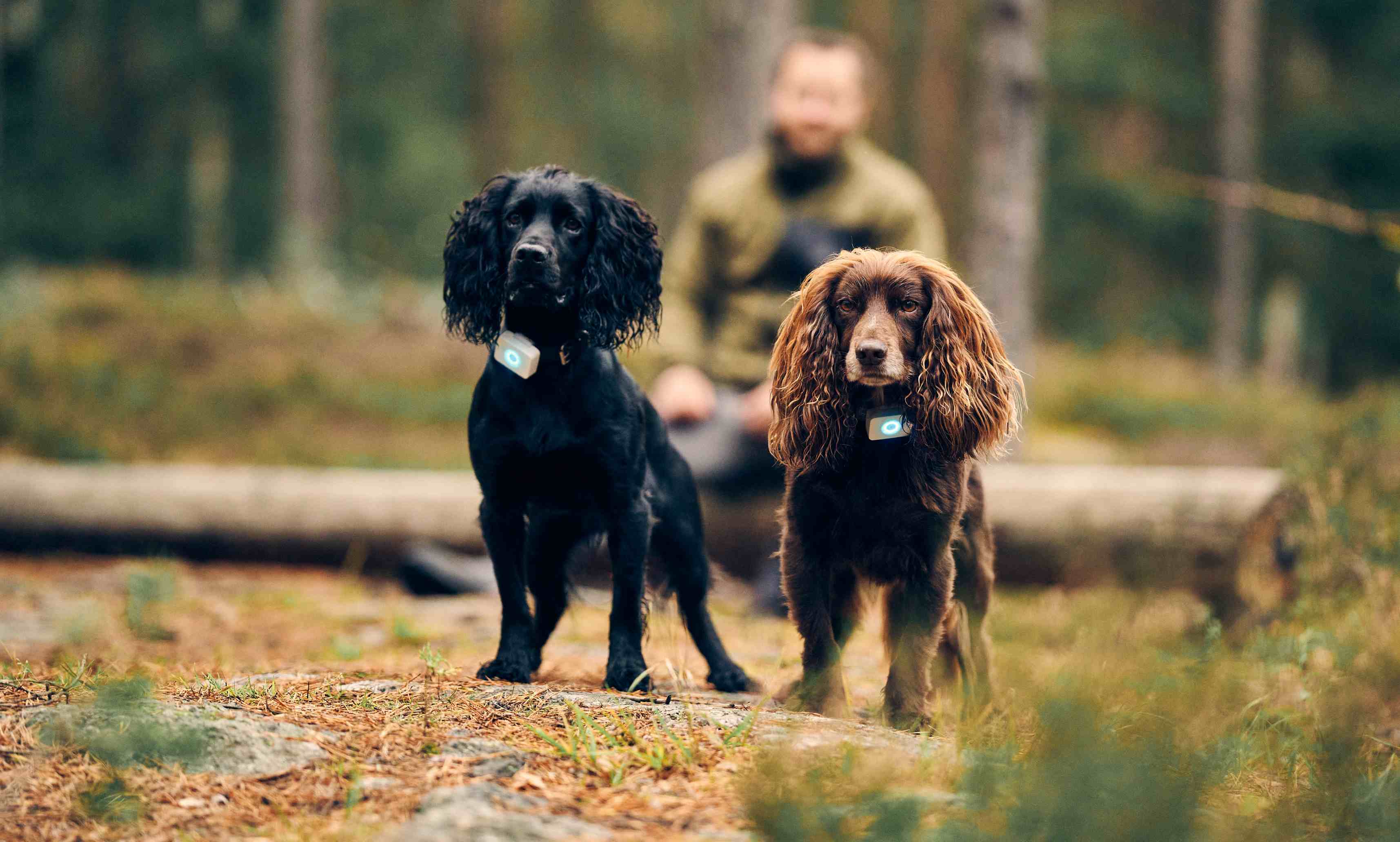
Cocker Spaniel – Everything About Temperament, Puppies, Hunting, Health and Grooming
The Cocker Spaniel is one of the world's most popular dog breeds – and for good reason. The breed combines intelligence, enthusiasm for work and a friendly personality in a way that makes it equally suited as a family companion and a hunting dog. With its long ears, expressive eyes and cheerful nature, the Cocker Spaniel has captured the hearts of dog lovers around the globe.
Behind the charming appearance, however, lies an energetic and hardworking dog. The Cocker Spaniel was originally developed for bird hunting, and many of its natural instincts remain strong today. The breed is known for its exceptional sense of smell, willingness to cooperate and ability to learn new tasks quickly.
In this complete breed guide, you'll learn everything about the Cocker Spaniel – from its history and origins to health, grooming, puppies, hunting instincts, exercise requirements and suitability as a family dog.
Cocker Spaniel at a Glance
| Origin | United Kingdom |
| FCI Group | Group 8 – Retrievers, Flushing Dogs and Water Dogs |
| Height | 38–43 cm (15–17 in) |
| Weight | 12–16 kg (26–35 lbs) |
| Lifespan | 12–15 years |
| Coat | Silky and medium-length |
| Shedding | Moderate |
| Energy Level | Moderate to high |
| Family Dog | Yes |
| Suitable for First-Time Owners | Yes, with proper guidance |
The Cocker Spaniel is a versatile breed that suits many different lifestyles. It thrives both as an active family companion and as a working hunting dog. The breed combines energy and enthusiasm with an affectionate and social nature, making it popular among hunters, families and outdoor enthusiasts alike.
History and Origins
The history of the Cocker Spaniel stretches back several centuries. The breed originated in the United Kingdom and belongs to the spaniel family, a group of dogs traditionally used to locate and flush game birds for hunters. Spaniels were highly valued for their close cooperation with humans and their excellent sense of smell.
The name "Cocker" comes from the woodcock, a bird that these dogs were particularly skilled at finding and flushing from dense vegetation. Over time, they developed into specialized hunting dogs capable of working efficiently in forests, thick undergrowth and wetlands.
During the late 1800s, breeders began separating different spaniel types into distinct breeds. This eventually led to the development of what we now know as the English Cocker Spaniel.
When the breed was later exported to the United States, American breeders developed the dogs in a different direction. The result was the American Cocker Spaniel, which gradually acquired its own appearance and breed standard.
Although both varieties share the same historical roots, they have evolved into two clearly distinct breeds with different strengths and purposes.

Image: English Cocker Spaniel.
English vs. American Cocker Spaniel
Many people assume that the English Cocker Spaniel and American Cocker Spaniel are the same breed. In reality, they are now recognized as two separate breeds with different standards and characteristics.
Both descend from the same British hunting spaniels, but decades of selective breeding have produced significant differences in appearance and purpose.
English Cocker Spaniel
The English variety is generally more athletic and closer to its hunting origins. It has a longer muzzle, a leaner build and stronger working instincts. Many English Cockers are still actively involved in hunting, scent work and dog sports.
- More athletic build
- Longer muzzle
- Stronger hunting and working instincts
- Common in hunting and dog sports
- Higher activity level
American Cocker Spaniel
The American variety was developed with a greater emphasis on companionship and show-ring success. These dogs tend to be smaller, with a rounder head, shorter muzzle and more abundant coat that requires extensive grooming.
- Smaller and more compact body
- Rounder head shape
- Shorter muzzle
- More coat and grooming requirements
- Often kept as family or show dogs
Both varieties are intelligent, affectionate and social dogs, but the English Cocker Spaniel generally remains closer to its original working roots.

Image: American Cocker Spaniel.
Working Cocker Spaniel
The Working Cocker Spaniel is not a separate breed but a working line within the English Cocker Spaniel. These dogs are bred primarily for hunting ability, stamina, trainability and performance rather than appearance in the show ring.
A Working Cocker Spaniel is typically lighter, faster and more energetic than dogs from show lines. They possess stronger hunting instincts and require significantly more physical exercise and mental stimulation.
These dogs are commonly used for:
- Bird and small game hunting
- Tracking work
- Search and rescue operations
- Nose Work
- Obedience training
- Agility
- Service and detection work
For active owners, a Working Cocker Spaniel can be an outstanding companion. Families seeking a calmer dog may find traditional show lines a better fit.
Appearance, Size and Weight
The Cocker Spaniel is a medium-sized dog with balanced proportions, soft lines and a friendly expression. Its long hanging ears and large dark eyes are among the breed's most recognizable features.
Males typically stand between 39 and 43 centimeters (15–17 inches) tall at the shoulder, while females generally measure between 38 and 41 centimeters (15–16 inches). Weight usually ranges from 12 to 16 kilograms (26–35 pounds), depending on sex, bloodlines and activity level.
The silky coat comes in a wide variety of colors, including:
- Black
- Black and tan
- Liver
- Red
- Golden
- Blue roan
- Orange roan
- Particolour combinations
The elegant coat contributes greatly to the breed's popularity but also requires regular grooming and maintenance.
Temperament and Personality
The Cocker Spaniel is widely regarded as one of the friendliest and most people-oriented dog breeds in the world. Most individuals greet both humans and other animals with curiosity, enthusiasm and affection. They thrive when included in family life and enjoy being involved in everyday activities.
The breed combines a gentle and loving nature with a strong desire to work. Many people are surprised by how much energy is hidden behind the breed’s sweet appearance. A Cocker Spaniel loves exploring new environments, learning new skills and working closely with its owner.
Typical breed characteristics include:
- Highly social and people-focused
- Intelligent and eager to learn
- Playful well into adulthood
- Strong work ethic
- Excellent problem-solving ability
- Sensitive to tone and emotions
- Deeply devoted to family members
Most Cocker Spaniels respond exceptionally well to positive reinforcement and clear boundaries. Harsh corrections are rarely effective with this sensitive and cooperative breed.
It is important to remember that the Cocker Spaniel was originally developed as a working dog. Even dogs bred primarily as companions often possess more energy than many owners expect. Without sufficient exercise and mental stimulation, some individuals may develop unwanted behaviors such as excessive barking, restlessness or destructive habits.
When their physical and mental needs are met, Cocker Spaniels become loyal, affectionate companions that enjoy spending time with their families above all else.
Family Dog and Children
Many dog enthusiasts consider the Cocker Spaniel one of the best family dogs available. The breed combines friendliness, patience and an eagerness to be part of the family unit.
The breed is particularly suitable for:
- Families with children
- Couples
- Single owners
- Active seniors
- First-time dog owners
Many Cocker Spaniels form strong bonds with children. They enjoy games, outdoor activities and attention while often displaying remarkable patience and gentleness around younger family members.
As with any dog breed, interactions between young children and dogs should always be supervised by adults. Children should learn to respect the dog's boundaries, and the dog should always have access to a quiet place where it can rest undisturbed.
The breed also tends to get along well with other dogs and many household pets. Early socialization plays a crucial role in developing a confident, stable and sociable adult dog.
For families looking for an affectionate, active and friendly companion, the Cocker Spaniel is often an excellent choice.
Training and Education
The Cocker Spaniel is intelligent, eager to work and highly trainable. These qualities have made the breed popular in a wide range of dog sports and working roles. At the same time, their intelligence means they quickly learn both good and bad habits.
Consistent training from an early age provides enormous benefits. Key areas of focus should include:
- Reliable recall
- Focus and engagement with the owner
- Socialization
- Calmness and impulse control
- Handling exercises
- Everyday obedience
Positive reinforcement typically produces the best results. Praise, toys and food rewards motivate the breed effectively while strengthening the relationship between dog and owner.
Many Cocker Spaniels excel in:
- Obedience
- Agility
- Rally Obedience
- Nose Work
- Tracking
- Hunt training
- Search and rescue work
The breed enjoys mental challenges and thrives when given opportunities to learn. Variety in training helps maintain enthusiasm and prevents boredom.
Teaching relaxation is equally important. Young Cocker Spaniels often possess endless energy and need guidance to understand when it is time for activity and when it is time to settle down.
Exercise Requirements
The Cocker Spaniel has a moderate to high energy level. The breed requires more exercise than many companion breeds but generally less than some of the most demanding herding dogs.
Most adult dogs need at least one to two hours of activity each day, including:
- Daily walks
- Free play
- Training sessions
- Mental enrichment
- Scent-based activities
An under-stimulated Cocker Spaniel can become frustrated and restless. Many behavioral issues in the breed are linked to insufficient exercise and mental engagement rather than stubbornness or disobedience.
Activities particularly suited to the breed include:
- Woodland walks
- Hiking
- Retrieving games
- Nose Work
- Tracking
- Agility
- Swimming
- Hunt training
Working Cocker Spaniels often require even more activity than dogs from show lines. These dogs have been bred specifically for performance and generally thrive when given regular jobs to do.
When their exercise needs are properly met, most Cocker Spaniels are calm, content and well-behaved indoors.
Hunting Instincts and Sense of Smell
One of the Cocker Spaniel's most impressive qualities is its exceptional sense of smell. Originally developed to locate and flush birds and small game from dense vegetation, the breed retains these natural instincts to this day.
A dog's nose contains hundreds of millions of scent receptors, far more than a human nose. This allows the Cocker Spaniel to detect and distinguish scents at a level humans can barely imagine.
While walking through forests, fields or parks, a Cocker Spaniel continuously gathers information from the environment through scent. Many owners quickly discover that their dog has an almost endless fascination with interesting smells.
The breed's strong hunting instincts also mean some individuals may eagerly follow the scent trail of birds or small animals if recall training is insufficient.
For this reason, early recall training and impulse control exercises are particularly important for dogs that spend time off leash.
At the same time, the breed's scenting ability is one of its greatest strengths. Activities based on scent work provide an excellent outlet for natural instincts while delivering valuable mental stimulation.
Working Roles and Detection Work
The remarkable nose of the Cocker Spaniel has made the breed highly valued in professional detection work around the world. Police agencies, customs services and search-and-rescue organizations frequently employ spaniels in scent-detection roles.
These dogs are commonly trained to locate:
- Narcotics
- Explosives
- Cash
- Mobile phones
- Biological evidence
- Missing persons
Working Cocker Spaniels are especially sought after for these tasks. They combine stamina, concentration, motivation and a strong willingness to cooperate with handlers.
Many airports and border-control agencies prefer smaller spaniels because they work efficiently while appearing less intimidating to the public than larger working breeds.
For pet owners, this means the breed often excels in Nose Work, tracking and scent games. Even simple search activities around the home or outdoors can provide valuable enrichment and help create a happier, more fulfilled dog.
Watch Video
Cocker Spaniel Puppy
A Cocker Spaniel puppy is curious, energetic and highly receptive to learning. From an early age, most puppies display the breed’s trademark combination of friendliness, enthusiasm and eagerness to explore the world around them.
The puppy stage plays a crucial role in shaping a confident and well-balanced adult dog. Early socialization helps puppies develop positive associations with different people, environments, sounds and situations.
During the first months of life, puppies should gradually be introduced to:
- Different people
- Children
- Other dogs
- Traffic and urban environments
- Woodland and outdoor settings
- Veterinary visits
- Grooming and handling routines
Cocker Spaniel puppies learn quickly and generally respond exceptionally well to reward-based training methods. Short and positive training sessions are often far more effective than lengthy or demanding exercises.
Many puppies also have a strong desire to use their nose. Simple scent games and mental challenges provide excellent enrichment while avoiding excessive strain on growing joints and bones.
When choosing a puppy, it is important to select a reputable breeder who performs appropriate health testing and can provide information about the health and temperament of the parent dogs.
Grooming and Shedding
The Cocker Spaniel is famous for its beautiful, silky coat. However, it is also a breed that requires more grooming than many other medium-sized dogs.
The amount of maintenance depends partly on whether the dog comes from working lines or show lines. Show-bred dogs generally have fuller coats that require more extensive care.
To keep the coat healthy and free of tangles, owners should:
- Brush the coat at least two to three times per week
- Schedule regular trimming
- Check ears and paws frequently
- Remove mats before they become severe
- Bathe the dog when necessary
Areas behind the ears, under the chest and along the legs are particularly prone to tangles if grooming is neglected.
The breed sheds moderately throughout the year, with increased shedding often occurring during seasonal coat changes in spring and autumn.
The long ears also require special attention. Proper ear hygiene and regular inspections can significantly reduce the risk of ear infections.
Health and Common Conditions
The Cocker Spaniel is generally considered a healthy and robust breed. However, like all purebred dogs, it is predisposed to certain inherited and acquired health conditions.
Responsible breeders perform health testing to reduce the risk of passing hereditary diseases to future generations.
Ear Infections
Ear infections are among the most common health concerns in the breed. The long, pendulous ears create a warm and moist environment that can encourage the growth of bacteria and yeast.
Symptoms may include:
- Head shaking
- Scratching at the ears
- Redness
- Unpleasant odor
- Pain when touched
Eye Disorders
Certain bloodlines may be prone to eye conditions such as:
- Cataracts
- Progressive Retinal Atrophy (PRA)
- Glaucoma
Routine eye examinations of breeding dogs help reduce the incidence of these conditions.
Hip Dysplasia
Hip dysplasia can occur in some Cocker Spaniels. In severe cases, it may affect mobility and quality of life.
Responsible breeding, proper nutrition and controlled growth during puppyhood can help reduce the risk.
Skin Conditions and Allergies
Some dogs develop allergies or skin disorders related to environmental factors or food ingredients.
Persistent itching, inflamed skin and recurring ear infections may indicate an underlying allergy and should be investigated by a veterinarian.
Familial Nephropathy
Familial nephropathy is a serious inherited kidney disease that historically affected certain English Cocker Spaniel bloodlines. Modern DNA testing has significantly reduced its prevalence through responsible breeding practices.
Lifespan
The average lifespan of a Cocker Spaniel is between 12 and 15 years. Many individuals remain active and healthy well into their senior years when provided with appropriate care throughout life.
Factors that influence longevity include:
- Genetics
- Nutrition
- Exercise
- Weight management
- Dental care
- Veterinary attention
Regular health screenings and preventative care can help identify potential problems early and contribute to a longer, healthier life.
Cocker Spaniel Price
The cost of a Cocker Spaniel puppy varies depending on breeder reputation, pedigree, bloodlines and health testing.
In the United Kingdom and many Western countries, puppies from reputable breeders typically cost between £1,000 and £3,000, although prices may vary significantly by region and lineage.
In addition to the purchase price, owners should budget for ongoing expenses such as:
- Pet insurance
- Veterinary care
- Food
- Equipment and supplies
- Training classes
- Professional grooming
- Unexpected medical expenses
A well-bred puppy from a responsible breeder may cost more initially but can reduce the risk of serious health problems later in life.
Pros and Cons
Pros
- Friendly and affectionate
- Highly intelligent and trainable
- Excellent family companion
- Versatile in dog sports and activities
- Outstanding sense of smell
- Adaptable working dog
- Thrives in active households
Cons
- Requires regular grooming
- May develop separation anxiety
- Strong hunting instincts in some lines
- Needs mental stimulation
- Prone to ear problems
- Working lines require substantial exercise
Is the Breed Right for You?
The Cocker Spaniel is an excellent choice for active individuals and families seeking a social, affectionate and intelligent dog.
The breed may be a great fit if you:
- Enjoy outdoor activities
- Want a trainable companion
- Have time for daily exercise
- Value a close bond with your dog
- Are interested in dog sports or scent work
Those looking for a highly independent or low-energy breed may be better suited to another type of dog.
For many owners, the Cocker Spaniel offers the ideal balance between family companion, training partner and capable working dog.
Frequently Asked Questions About Cocker Spaniels
Is the Cocker Spaniel a good family dog?
Yes. The breed is known for its friendly temperament and often thrives in families with children.
How much exercise does a Cocker Spaniel need?
Most adult dogs require between one and two hours of daily exercise combined with mental stimulation.
Do Cocker Spaniels shed a lot?
The breed sheds moderately throughout the year, with increased shedding during seasonal coat changes.
What is the difference between an English and an American Cocker Spaniel?
The English variety is generally more athletic and work-oriented, while the American variety typically has a fuller coat and is more commonly bred as a companion or show dog.
Is a Working Cocker Spaniel more demanding?
Yes. Working lines often have higher energy levels and require significantly more exercise and mental stimulation.
How long does a Cocker Spaniel live?
The average lifespan is between 12 and 15 years.
Can Cocker Spaniels be used for hunting?
Yes. The breed was originally developed for hunting and is still widely used for flushing game birds and scent-based work.
Are Cocker Spaniels easy to train?
Yes. Most individuals are intelligent, cooperative and highly responsive to positive reinforcement training.
Quiz: How Well Do You Know the Cocker Spaniel?
1. Which country did the Cocker Spaniel originate from?
Show answer
The United Kingdom.
2. Which bird gave the breed its name?
Show answer
The woodcock.
3. What is the Working Cocker Spaniel commonly used for?
Show answer
Hunting, tracking, search work, Nose Work and other working roles.
4. What is the typical lifespan of a Cocker Spaniel?
Show answer
Between 12 and 15 years.
5. What is one of the breed's greatest strengths?
Show answer
Its exceptional sense of smell.
Share:
Golden Retriever – The Ultimate Family Dog
Pomeranian: A Complete Guide to the Brave Miniature Spitz